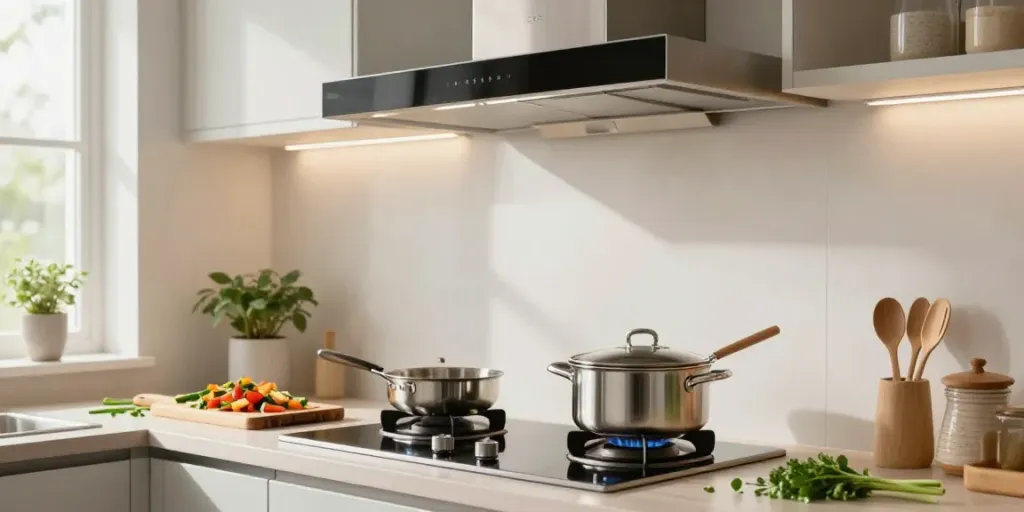
Understanding 60cm Cooker Hoods
The kitchen is often regarded as the heart of the home, a space where culinary creativity meets daily routines. Central to this environment is a 60 cm cooker hood, a versatile appliance that not only complements your kitchen aesthetics but also plays a crucial role in maintaining air quality. A cooker hood, sometimes referred to as a kitchen extractor or range hood, serves as an essential tool to eliminate airborne grease, smoke, and odors produced during cooking. With the right cooker hood, you can ensure that your kitchen remains clean and comfortable, contributing to a healthier living space. When exploring options, best 60cm cooker hood provides comprehensive insights into features, installation, and the best models on the market.
What is a 60cm Cooker Hood?
A 60 cm cooker hood is specifically designed to fit over standard-sized hobs, making it the most popular choice for modern kitchens. Its width perfectly matches most domestic cooking appliances, ensuring that cooking fumes are effectively captured and expelled. Beyond its practical function, a cooker hood also enhances your kitchen's visual appeal, available in various styles ranging from sleek and integrated to bold and traditional designs.
Types of 60cm Cooker Hoods and Their Installation Styles
There are several types of 60 cm cooker hoods available, each designed with unique installation styles and features. These include:
- Chimney Cooker Hoods: These are typically mounted on the wall and feature a decorative chimney that covers the ducting. They are powerful and ideal for homeowners looking to make a statement in their kitchen.
- Integrated Cooker Hoods: Seamlessly built into kitchen cabinetry, these hoods offer a clean, streamlined look, perfect for modern interiors where aesthetics are paramount.
- Wall-Mounted Hoods: These hoods are affixed to the wall above the cooking area, allowing for easy access and installation in various kitchen layouts.
- Under-Cabinet Hoods: Designed to fit beneath kitchen cabinets, these models are ideal for smaller spaces, maximizing kitchen functionality without sacrificing style.
- Angled Cooker Hoods: These hoods have a slanted design that increases headroom and offers a modern aesthetic.
- Telescopic Cooker Hoods: These hoods can be extended and retracted, making them suitable for multifunctional spaces where space is at a premium.
Key Features to Consider When Choosing a Cooker Hood
When selecting a 60 cm cooker hood, consider essential features that influence performance, maintenance, and convenience. Look for models that offer:
- Airflow Capacity: Measured in cubic meters per hour (m³/h), this determines how effectively the hood can extract cooking fumes and odors.
- Noise Levels: The sound produced during operation can affect cooking comfort, with quieter models providing a more pleasant cooking experience.
- Energy Efficiency: A hood’s energy rating impacts running costs; models rated A or higher are generally recommended for their efficiency.
- Venting Options: Decide between ducted and non-ducted systems based on your kitchen setup and preferences.
Essential Functional Features for Modern Cooker Hoods
Airflow Capacity and Extraction Power Explained
Airflow capacity is a vital specification when choosing a cooker hood. It determines how effectively the hood can clear smoke, steam, and greasy air from your kitchen. Ideally, the hood should provide at least 10 times the volume of air of your kitchen’s cubic capacity per hour. For instance, if your kitchen is 20 m³, look for a hood with a minimum airflow capacity of 200 m³/h. Higher airflow not only means better extraction but also less energy wasted on inefficient operation.
Noise Levels During Operation: What to Expect
Noise is another crucial factor to consider when purchasing a 60 cm cooker hood. Most models have sound levels ranging from 50 dB to 75 dB. For a quieter environment, especially in open-plan designs, aim for models that operate under 60 dB. Brands often highlight their quieter models, making it easier for consumers to find options suited for peace and comfort.
Energy Efficiency Ratings: Making Sustainable Choices
The energy efficiency of a cooker hood is typically rated from A+++ (most efficient) to D (least efficient). Selecting an energy-efficient model can significantly reduce your electricity bills over time, especially considering that cooker hoods often run during meal preparation. Opting for an A or A+ rated model will ensure that you enjoy high performance while being environmentally conscious.
Venting Options for Your 60cm Cooker Hood
Extraction vs. Recirculation: Which is Right for You?
Understanding the venting option that best suits your kitchen's design is key to optimal performance. Extraction hoods channel air through ductwork to the outside, effectively removing odors and moisture. On the other hand, recirculation hoods filter air using carbon filters before returning it to the kitchen. While recirculation models are ideal for spaces without external venting, extraction units generally provide better overall air quality.
Smart Controls and Automatic Fan Adjustments
Modern cooker hoods come equipped with smart features that enhance usability and efficiency. Many of these models can automatically adjust fan speed based on cooking intensity, providing an optimal balance between extraction performance and energy consumption. Features like Hob2Hood® technology allow for seamless operation with compatible cooking ranges.
Lighting Options: Modern Solutions for Your Cooking Space
Lighting is an often-overlooked feature of cooker hoods. Modern designs frequently incorporate energy-efficient LED lighting that enhances visibility during cooking while also providing ambiance. Adjustable brightness levels and color temperatures can be incredibly beneficial, allowing you to customize your workspace according to your needs.
Installing Your 60cm Cooker Hood: A Step-by-Step Guide
How to Measure for a Perfect Fit
Accurate measurements are essential when installing a cooker hood. Start by measuring the width of your hob and ensuring that your cooker hood’s dimensions align perfectly. The ideal height above the hob varies depending on the type of cooking appliance, typically ranging from 65 cm to 75 cm for electric hobs, and higher for gas hobs.
Installation Tips for Safety and Efficiency
Regardless of whether you’re opting for a DIY installation or hiring a professional, safety should always be a priority. Here are a few best practices to keep in mind:
- Turn off the power supply before beginning the installation process to avoid electrical hazards.
- Use a stud finder to locate wall studs for securely mounting the hood.
- Ensure all ductwork is properly sealed to prevent air leaks.
- Follow the manufacturer’s installation instructions closely for optimal results.
When to Hire a Professional Installer
Though some homeowners opt for DIY installations, certain situations are best handled by certified professionals. If your cooker hood requires complex ductwork, involves direct electrical wiring, or if you are installing a heavy model above a gas hob, hiring a professional ensures compliance with local building codes and safety standards.
Maintaining Your 60cm Cooker Hood for Optimal Performance
Regular Maintenance Checklist for Your Cooker Hood
To keep your cooker hood performing at its best, regular maintenance is essential. Here are some tasks to incorporate into your routine:
- Clean grease filters regularly—most are dishwasher-safe for convenience.
- Check and replace carbon filters every 2-4 months if using a recirculation hood.
- Wipe down exterior surfaces with a soft cloth to maintain appearance.
- Inspect air vents and ducts for blockages that may reduce airflow.
- Listen for any unusual noises from the fan or motor; these could indicate maintenance needs.
How to Clean and Replace Filters
Cleaning and maintaining filters is crucial for optimal performance. To clean grease filters, simply remove them from the hood, rinse with warm soapy water or place them in the dishwasher, and allow them to dry completely before reinstallation. For carbon filters, replacement is necessary once they reach saturation, typically every few months depending on usage.
Signs Your Cooker Hood Needs Professional Attention
If your cooker hood experiences any of the following issues, it may be time to call in a professional:
- Persistent odors even when the hood is running.
- Unusual sounds during operation.
- Inconsistent airflow, or reduced suction power.
- Visible damage to electrical components or ductwork.
What Size Cooker Hood Do I Need for My Hob?
For optimal performance, the size of your cooker hood should closely match the width of your hob. A 60 cm cooker hood is the standard size for most household hobs, ensuring effective coverage and extraction.
How Often Should I Clean or Replace the Filters?
For optimal functioning, grease filters should be cleaned every two weeks, while carbon filters in recirculating hoods should typically be replaced every 2-4 months. However, the frequency may vary based on cooking habits and the volume of food prepared.
How Noisy Are Typical 60cm Cooker Hoods?
Typical sound levels for 60 cm cooker hoods can range between 50 and 75 dB. Many manufacturers now offer quieter options, with models below 60 dB preferred for peaceful kitchen environments.
What Are the Benefits of LED Lighting in Cooker Hoods?
LED lighting enhances visibility while cooking, is energy-efficient, and has a longer lifespan compared to traditional bulbs. Utilizing LEDs saves energy and provides a modern, sleek look to your cooking environment.
How Do Smart Cooker Hoods Improve My Cooking Experience?
Smart cooker hoods elevate the cooking experience by offering features such as automatic fan adjustments based on cooking heat and app-controlled settings. This technology not only maximizes efficiency but also adds convenience for busy home chefs.