Understanding Septic Tanks: Basics and Benefits
Septic tanks are essential components of wastewater management systems, particularly in rural areas or regions where centralized sewer systems are unavailable. They play a crucial role in treating and disposing of household sewage efficiently. In Riverside, where homes can often be situated away from municipal services, understanding how septic systems work and their benefits is vital for homeowners. When exploring options, Septic tanks Riverside provides comprehensive insights into the types and services available.
What is a Septic Tank?
A septic tank is a large, underground container designed to treat wastewater from homes. Typical construction materials include concrete, fiberglass, or plastic, and the tank operates on a simple principle: it allows solids to settle at the bottom, where they decompose by bacterial action, while the liquid effluent flows out into a drain field. This system helps in preventing contaminants from entering the groundwater, thereby ensuring environmental safety and public health.
Key Benefits of Septic Tanks Riverside
- Independence from City Sewage Systems: Homeowners in rural areas can enjoy the autonomy of managing their wastewater, without being tied to municipal systems.
- Cost-Effectiveness: Although initial installation costs can be high, septic tanks generally incur lower ongoing maintenance costs compared to sewer connections.
- Environmentally Friendly: Modern septic systems are designed to treat wastewater naturally, reducing the impact on local ecosystems and water supplies.
- Property Value: A well-maintained septic tank can enhance property value by providing an essential service that prospective buyers appreciate.
Common Myths about Septic Systems
Many misconceptions surround septic systems. One common myth is that septic tanks are “set it and forget it” systems, which leads to negligence in maintenance. In reality, regular pumping and inspection are necessary to ensure their optimal operation. Another misconception is that only the rich own homes with septic tanks, yet many affordable homes in Riverside rely on them, reflecting a broad demographic use. Additionally, some believe that using harsh chemicals is acceptable, but these can kill beneficial bacteria necessary for treating waste.
Choosing the Right Septic Tank for Your Home
Types of Septic Tanks Available
Several types of septic tanks are available to suit different needs and preferences:
- Traditional Concrete Tanks: Known for their durability and strength, concrete tanks are a common choice but require careful installation to prevent cracking.
- Fiberglass Tanks: These tanks are resistant to corrosion and lightweight, making them easier to install, though they can be more expensive.
- Plastic Septic Tanks: Lightweight and resistant to rust, these tanks can also be cost-effective but may be less durable than concrete options.
Factors to Consider When Selecting a Tank
When choosing a septic tank, consider factors such as:
- Household size and wastewater output to determine the necessary tank capacity.
- Soil type on your property, which can impact the type of septic system that will function effectively.
- Your budget, including both initial installation and long-term maintenance costs.
- Local regulations governing septic systems in Riverside, which can influence your options.
How Size Affects Functionality of Septic Tanks Riverside
The size of the septic tank is crucial for effective wastewater treatment. A tank that is too small will overflow, leading to system failure and potential environmental hazards, whereas an oversized tank may lead to insufficient treatment. It's vital to consult local guidelines and a professional installer to determine the appropriate size based on your household’s needs.
Installation Process: What to Expect
Steps Involved in Septic Tank Installation
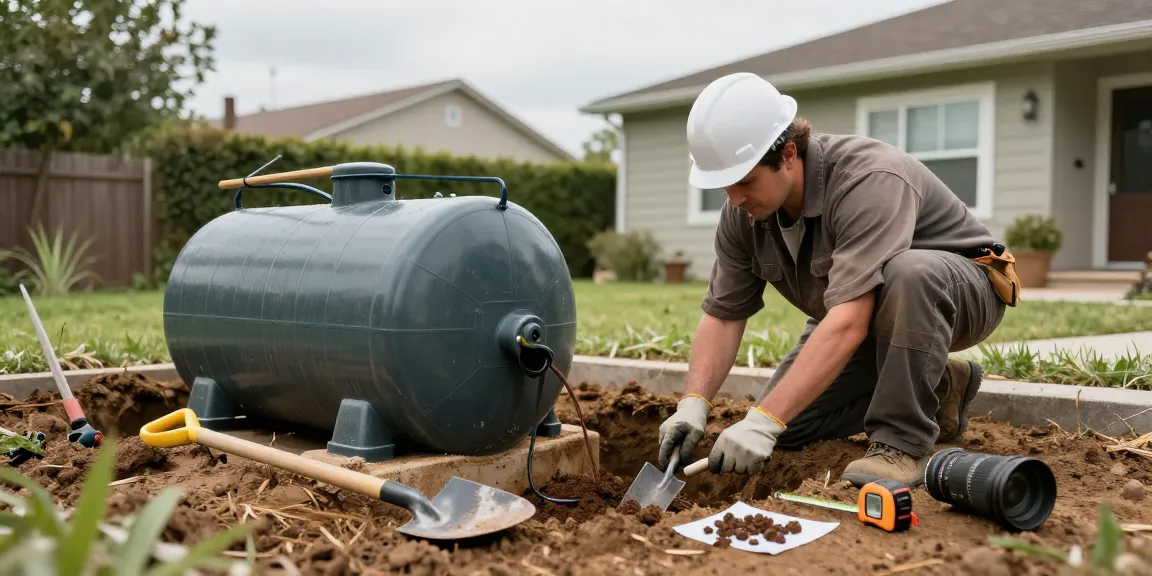
Installing a septic tank involves several steps:
- Soil Testing: Before installation, a soil test must be performed to assess the drainage capabilities.
- Site Preparation: The area must be excavated, ensuring that it is clear of any obstructions.
- Tank Placement: The septic tank is placed in the ground, connected to the home’s wastewater pipes.
- Installation of Drain Field: Properly designed drain fields are crucial for effluent dispersal, helping to filter wastewater and prevent contamination.
- Final Inspection: After installation, a local authority typically inspects the system to ensure compliance with all regulations.
Permits and Regulations Specific to Riverside
In Riverside, installing a septic system requires obtaining the necessary permits. Homeowners must comply with local health department regulations, which can include site evaluations and inspections. Awareness of these requirements is crucial for a seamless installation process and to avoid fines or system failures.
Preparing Your Yard for Installation
Preparing your yard for septic tank installation involves ensuring sufficient space is available and minimizing disruptions to existing landscaping. Homeowners should also clear the area of debris, and any underground utilities should be marked to avoid damage during excavation.
Maintenance Tips for Long-Lasting Septic Systems
Regular Maintenance Checklist
Proper maintenance of your septic tank is essential to prolong its lifespan and functionality. Here’s a checklist to follow:
- Pump the tank every 3-5 years, depending on usage.
- Inspect the system annually for leaks, cracks, or odors.
- Avoid flushing non-biodegradable materials, oils, or chemicals.
- Monitor water usage to prevent overloading the septic system.
Signs Your Septic Tank Needs Attention
Be aware of these warning signs that may indicate your septic tank requires professional attention:
- Unpleasant odors around the tank or drain field.
- Slow drains in your home or backflow.
- Pooling water or soggy patches in your yard.
- Bright green grass over the drain field compared to the surrounding area.
Best Practices for Septic Care
To maintain the health of your septic system, adhere to these best practices:
- Limit water usage during heavy rainfall to reduce stress on the system.
- Use biodegradable cleaning products to promote bacterial health.
- Keep the area around the septic system clear of trees and shrubs, as roots can infiltrate and damage the tank.
Future Trends in Septic Technology
Innovations in Septic Tank Design
The septic tank industry is evolving with new technologies aimed at improving efficiency and environmental safety. Innovations include:
- Advanced Aerobic Treatment Units: These systems introduce oxygen into the treatment process, improving the breakdown of waste.
- Biofilters: Using natural materials to filter effluent, these systems enhance treatment and can be more environmentally friendly.
Environmental Considerations for 2026 and Beyond
As environmental regulations become stricter, septic systems will need to adapt. Homeowners in Riverside should stay informed about potential changes in regulations and consider installing eco-friendly systems that reduce their environmental impact.
How Technology is Shaping Septic Maintenance
Technology is also influencing septic maintenance. Remote monitoring systems can alert homeowners and service providers to potential issues before they escalate, reducing repair costs and avoiding environmental hazards.
What Are the Environmental Regulations in Riverside?
Riverside’s environmental regulations are designed to protect local waterways and ecosystems. These rules often dictate the types of systems that can be installed, the required maintenance schedules, and the necessary permits. Being aware of these regulations is essential for compliance and the effective operation of septic systems.
How to Choose a Reliable Septic Service Provider?
Selecting the right septic service provider involves considering several factors:
- Look for licensed and insured professionals with good reviews and recommendations.
- Evaluate their experience and expertise in local regulations and septic systems.
- Request quotes from multiple providers and compare their services and pricing.