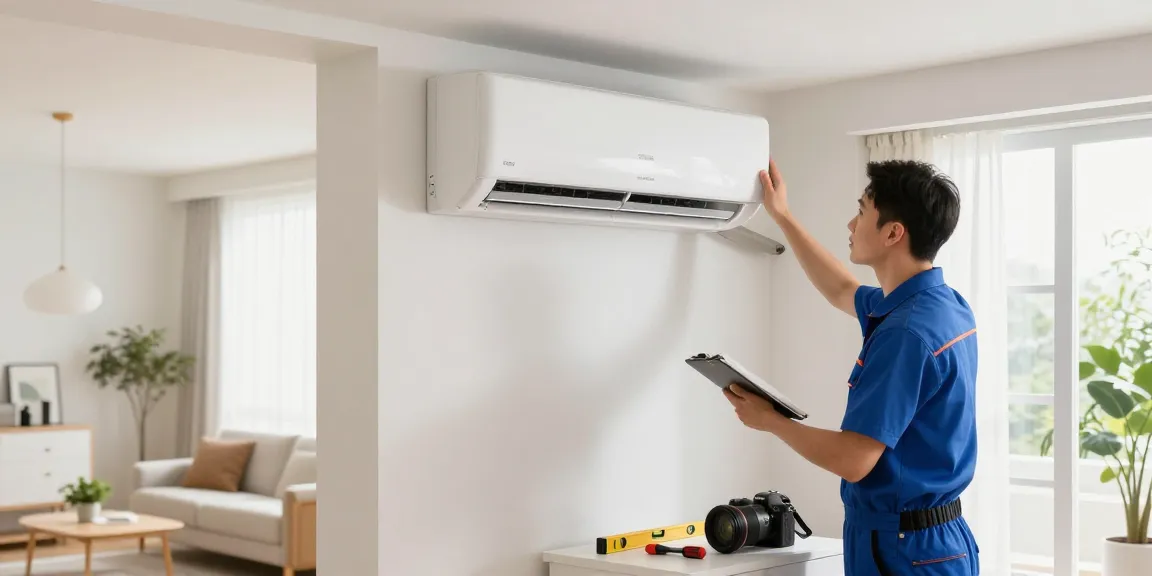
Understanding Central Type AC Systems
As cities grow hotter and urban spaces become increasingly dense, the need for effective climate control solutions has never been more critical. Central type AC systems have emerged as a preferred choice in many residential and commercial setups. These systems provide a reliable method of cooling large spaces efficiently, making them especially valuable in regions like Dubai, where the temperature can soar to uncomfortable levels. When exploring options, Central type AC systems provide comprehensive insights into advanced cooling technologies.
What is a Central Type AC?
A central type air conditioning system is designed to cool an entire building or a significant part of a large space using a network of ducts and vents. Unlike window or portable AC units that cool individual rooms, central AC systems distribute cool air through a system of ducts that run throughout the premises. The heart of this system is the air handler, which circulates the air, and the condensing unit located outside, which cools the refrigerant.
Benefits of Using Central Type AC
- Energy Efficiency: Central type AC systems often use less energy than multiple window units, leading to lower electricity costs.
- Consistent Temperature: They provide uniform cooling throughout the space, eliminating hot and cold spots.
- Improved Air Quality: Central systems often come with advanced filtration options that improve indoor air quality by reducing dust and allergens.
- Ease of Use: Users can control the temperature of the entire building from a single thermostat, simplifying climate management.
- Noise Reduction: Because the noisy components are housed outside, central AC systems tend to produce less noise compared to window units.
Common Components of Central Type AC Systems
Central type AC systems consist of several key components that work together to provide effective cooling:
- Compressor: Located in the outdoor unit, the compressor pumps refrigerant through the system.
- Condenser Coil: Also part of the outdoor unit, it dissipates heat from the refrigerant.
- Evaporator Coil: Located indoors, it absorbs heat from the indoor air, cooling it before it is circulated back.
- Air Handler: Blows air over the evaporator coil and into the ductwork.
- Ductwork: The network of ducts that distribute cooled air throughout the building.
- Thermostat: A device that allows users to set and adjust the desired temperature.
Preparing for Installation
Installing a central type AC system involves several key steps to ensure optimal performance and efficiency. Proper preparation can save time and avoid complications during the installation process.
Evaluating Your Space for Central AC Installation
Before installation, it is crucial to evaluate your space. Consider factors such as the size of the area to be cooled, the existing ductwork, and the layout of your home. An HVAC professional can conduct a load calculation to determine the appropriate size of the system needed. This evaluation is vital to ensure that the system will operate efficiently and effectively.
Choosing the Right Size and Type
Choosing the correct size for your central type AC is essential to avoid issues like inadequate cooling or excessive energy consumption. Units are measured in BTUs (British Thermal Units); higher BTUs mean more cooling capacity. Consult with HVAC professionals to select a unit that aligns with your specific needs.
Gathering Required Tools and Materials
To prepare for the installation, gather all necessary tools and materials. Common tools include drills, screwdrivers, and wrenches, as well as materials like refrigerant lines, duct materials, and mounting hardware. Having everything ready will facilitate a smoother installation process.
Step-by-Step Installation Guide
Installing a central type AC system is a complex process that requires careful attention to detail. Here’s a step-by-step guide to help you through the installation:
Preparing the Installation Site
Begin by preparing the installation site. This involves removing any obstructions and, if necessary, modifying the space for ductwork and unit placement. Ensure that there’s adequate clearance around the outdoor unit for airflow and service access.
Mounting the Indoor and Outdoor Units
Next, mount the indoor air handler high on a wall or ceiling, ensuring it is level. For the outdoor unit, choose a concrete slab or metal bracket to secure it above ground, preventing potential water damage and ensuring optimal airflow.
Connecting Ductwork and Electrical Components
Connect the ductwork to the air handler, ensuring tight seals to prevent air leaks. Then, make electrical connections, including wiring the thermostat and connecting to the power supply. Follow all local electrical codes and safety regulations.
Testing and Troubleshooting
Once installed, testing your central type AC system is crucial to ensure it operates correctly. This phase can reveal any issues that must be addressed before regular use begins.
Initial Power-On and Functionality Check
After installation, turn on the system and check for proper air flow. Listen for unusual noises that may indicate installation errors or component malfunctions. Monitor the thermostat to ensure it accurately controls the temperature.
Common Issues and Quick Fixes
During the testing phase, you may encounter common issues such as:
- Inadequate Cooling: Check for blocked ductwork or incorrect thermostat settings.
- Unusual Noises: Ensure all components are securely fastened and check for potential damage.
- Air Leaks: Inspect duct seals and connections for any leaks, repairing as necessary.
When to Call a Professional for Help
If troubleshooting does not resolve the issues, it’s essential to contact a professional technician who specializes in central AC systems. They can provide a detailed assessment and perform any necessary repairs or adjustments to ensure your system operates efficiently.
Maintenance Tips for Longevity
Proper maintenance is key to extending the lifespan and efficiency of your central type AC system. Regular upkeep can prevent costly repairs and ensure optimal performance during the hotter months of the year.
Regular Cleaning and Filter Replacement
Maintain your system by regularly cleaning the condenser coils and replacing air filters. Clogged filters can reduce airflow and decrease efficiency. It’s advisable to replace filters every 1-3 months, depending on usage.
Annual Professional Inspections
Booking annual inspections with a qualified HVAC technician is crucial. These professionals can identify potential issues early, ensuring that your central AC system operates at peak efficiency and remains compliant with safety standards.
Signs Your Central AC Needs Repair
Be vigilant for signs that your AC system may need repair:
- Increased Energy Bills: A sudden spike in electricity costs may indicate that your unit is not operating efficiently.
- Unusual Odors: Strange smells could signify electrical problems or mold growth within the system.
- Frequent Cycling: If your system turns on and off frequently, it could be a sign of an underlying issue.
Additional Considerations for Central Type AC Systems
Why Choose Central Type AC for Your Home?
Central type AC systems are particularly beneficial for larger homes or commercial properties due to their ability to distribute cool air evenly. They also tend to have a longer lifespan compared to window units when properly maintained, making them a more economical choice in the long run.
How Does Central AC Compare to Other Types?
Compared to window or portable units, central type AC systems provide superior cooling capabilities, efficiency, and convenience. They involve a higher initial investment, but the long-term benefits often outweigh the costs, especially in regions with extreme heat.
Conclusion
In conclusion, central type AC systems are an excellent investment for effective climate control in both residential and commercial spaces, especially in the hot climate of Dubai. From understanding the components and installation process to implementing proper maintenance, knowledge of these systems not only enhances comfort but also ensures longevity and efficiency. Whether you are considering a new installation or maintaining an existing unit, prioritizing the right approach will yield lasting results.