The Evolution of CNC Machining Parts
Since the inception of CNC (Computer Numerical Control) machining technology, the manufacturing landscape has undergone significant transformations, leading to the rise of cnc machining parts as a fundamental component in precision engineering. CNC machining has enabled manufacturers to produce complex geometries with remarkable consistency and accuracy, thus revolutionizing various industries from aerospace to automotive. As we approach 2026, understanding the evolution of CNC technology becomes crucial for stakeholders seeking to harness its full potential.
Historical Overview of CNC Technology
The journey of CNC machining began in the 1950s when the first numerically controlled machines emerged, revolutionizing the way parts were manufactured. Initially, these machines were limited in functionality and mainly used for simple tasks. However, advancements in computer technology and software programming soon led to the development of sophisticated CNC machines capable of executing intricate designs with high precision. By the late 20th century, CNC machining had established itself as an indispensable method for manufacturing high-quality components across numerous applications.
Current Trends in CNC Machining for 2026
As we look toward 2026, several trends are poised to shape the future of CNC machining. The integration of artificial intelligence and machine learning into CNC systems is leading to enhanced automation, allowing for real-time adjustments and improved operational efficiency. Furthermore, the increasing demand for customized products is driving manufacturers to adopt more flexible machining techniques, enabling them to cater to diverse client specifications.
The Role of Innovation in Machining Quality
Innovation plays a critical role in maintaining the quality of CNC machining parts. With advancements in materials science, manufacturers are now able to utilize superior alloys and composites that enhance durability and performance. Moreover, developments in cutting tool technology allow for faster machining speeds and reduced wear, leading to improved surface finishes and tighter tolerances in machined components.
Choosing the Right CNC Machining Parts
When selecting cnc machining parts, several factors must be considered to ensure optimal performance and reliability. Material choice, tolerances, and design intricacies all contribute to the overall effectiveness of the final product.
Key Considerations for Material Selection
The material selected for CNC machining significantly impacts the final product's performance. Common materials include aluminum, steel, brass, and plastics, each offering distinct advantages based on the application's requirements. For instance, aluminum is favored for its lightweight properties and corrosion resistance, making it ideal for aerospace and automotive applications, while stainless steel is preferred for its strength and durability in industrial settings.
Understanding Tolerances in CNC Machining
Tolerances define the acceptable limits of variation in a component's dimensions. Understanding the requirements for tolerances is crucial, as they determine the fit and function of parts within assembled systems. CNC machines can achieve tolerances as tight as ±0.001 inches, but selecting the appropriate tolerance is essential to balance manufacturing costs and performance expectations.
Common Misconceptions about CNC Parts Quality
Many misconceptions surround the quality of CNC machined parts. One prevalent myth is that all CNC machines produce identical quality, regardless of operator skill. In reality, the machine's precision heavily depends on the operator's expertise, programming skill, and the quality of materials used. Additionally, rigorous quality control measures must be enforced throughout the production process to ensure that parts meet specified standards.
Best Practices in CNC Machining Services
For manufacturers offering CNC machining services, implementing best practices is critical to maintaining competitiveness and delivering high-quality products.
Setting Up Efficient Production Workflows
To optimize production, manufacturers should establish streamlined workflows that minimize downtime and maximize machine utilization. This includes organizing the production floor for easy access to tools and materials, implementing standardized operating procedures, and utilizing software for scheduling and monitoring machine performance.
Managing Quality Assurance Throughout the Process
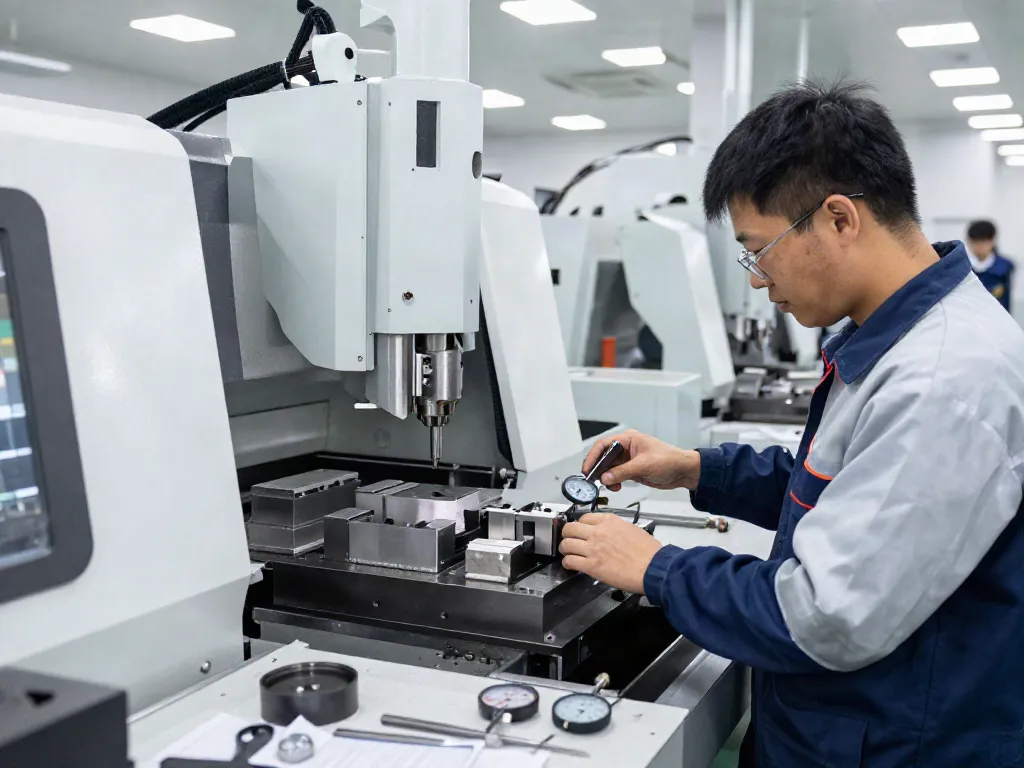
Quality assurance is paramount in CNC machining. Regular inspections, testing, and adherence to industry standards ensure that all products meet customer expectations. Utilizing advanced quality management systems can help in tracking defects, monitoring processes, and implementing corrective actions swiftly.
Strategies for Reducing Lead Times
Reducing lead times is a common objective for CNC machining service providers. Strategies such as maintaining an inventory of frequently used materials, investing in faster machinery, and leveraging automation can significantly decrease turnaround times without compromising quality.
Real-World Applications of CNC Machining Parts
CNC machining parts are integral to several industries, each benefiting from the precision and reliability that CNC technology provides.
Industries Benefiting from CNC Machining in 2026
As we approach 2026, several key industries will continue to leverage CNC machining parts for their manufacturing needs. The aerospace and defense sectors, automotive industry, medical devices manufacturing, and consumer electronics are particularly reliant on high-precision components to ensure safety, efficiency, and performance.
Case Studies on Successful Implementations
Several companies have successfully implemented CNC machining to enhance their production capabilities. For example, an automotive manufacturer that integrated CNC technology into its assembly line reported a 30% reduction in production time while improving the quality of its components. This case underscores CNC machining's potential to drive efficiency and product reliability.
Feedback from Industry Leaders on CNC Innovations
Industry leaders frequently highlight the role of CNC innovations in shaping the future of manufacturing. Many emphasize that continuous investment in advanced technology, such as additive manufacturing and IoT integration, will be pivotal in enhancing overall manufacturing efficiency and sustainability.
Looking to the Future: CNC Machining Trends
The future of CNC machining is filled with potential as technology continues to evolve and adapt to meet industry demands.
Predicted Developments Through 2026 and Beyond
Several transformative developments are expected in CNC machining by 2026. The integration of 5-axis machining will become more prevalent, allowing for complex geometries to be machined with fewer setups. Additionally, advancements in software will enable more intuitive programming interfaces, making CNC technology accessible to a broader range of manufacturers.
The Impact of Automation on CNC Machining Parts
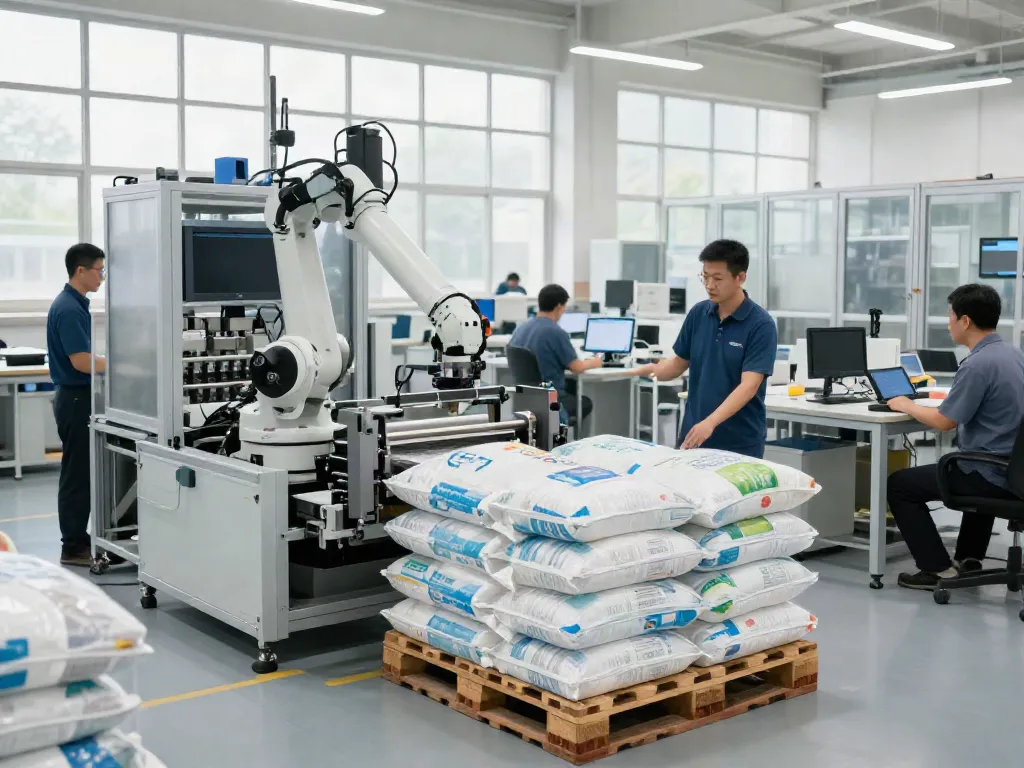
Automation will play a crucial role in enhancing the efficiency of CNC machining operations. Automated loading and unloading systems, as well as robotic arms for part manipulation, will reduce labor costs and increase production rates, allowing manufacturers to respond swiftly to market demands.
Sustainability Practices in CNC Manufacturing
As sustainability becomes increasingly vital, CNC machining manufacturers are adopting eco-friendly practices. This includes utilizing biodegradable lubricants, recycling materials, and optimizing production processes to minimize waste and energy consumption.
What are the best materials for CNC machining parts?
Some of the best materials for CNC machining include aluminum, stainless steel, titanium, and various plastics such as ABS and polycarbonate. Each material offers unique properties, making them suitable for different applications while ensuring durability and functionality.
How do CNC machining processes ensure high precision?
CNC machining processes ensure high precision through the use of advanced computers and sophisticated software that control machining tools with unmatched accuracy. Techniques such as feedback systems and closed-loop controls are employed to detect discrepancies in real-time, allowing for immediate adjustments.
What are the common uses of CNC machining components?
CNC machining components are commonly used in various applications, including automotive parts, aerospace components, medical devices, and intricate consumer electronics. These components are designed to function with precision and reliability, ensuring optimal performance in their respective fields.
How can businesses choose a CNC machining partner?
To select the right CNC machining partner, businesses should consider factors such as the supplier’s experience, technology capabilities, quality assurance practices, and customer service. Engaging in thorough research and requesting samples can provide insights into the potential partner's quality and reliability.
What innovations to expect in CNC machining technology?
Future innovations in CNC machining technology may include the integration of artificial intelligence for predictive maintenance, enhanced simulation software for programming, and advancements in materials that can withstand more extreme conditions. These innovations will further enhance the capabilities and efficiency of CNC machining processes.