Understanding Containerized Water Treatment Systems
In an age where water scarcity and contamination concerns dominate global discourse, the need for innovative and efficient solutions has never been more critical. Containerized water treatment systems have emerged as a game-changing solution, offering flexibility and adaptability for diverse applications ranging from municipal needs to industrial requirements. These systems redefine traditional water treatment methodologies, enabling rapid deployment and efficient purification processes regardless of the incoming water quality. When exploring options, water treatment systems manufacturer offerings can provide comprehensive insights into the benefits and functionalities of these modern solutions.
What are Containerized Water Treatment Systems?
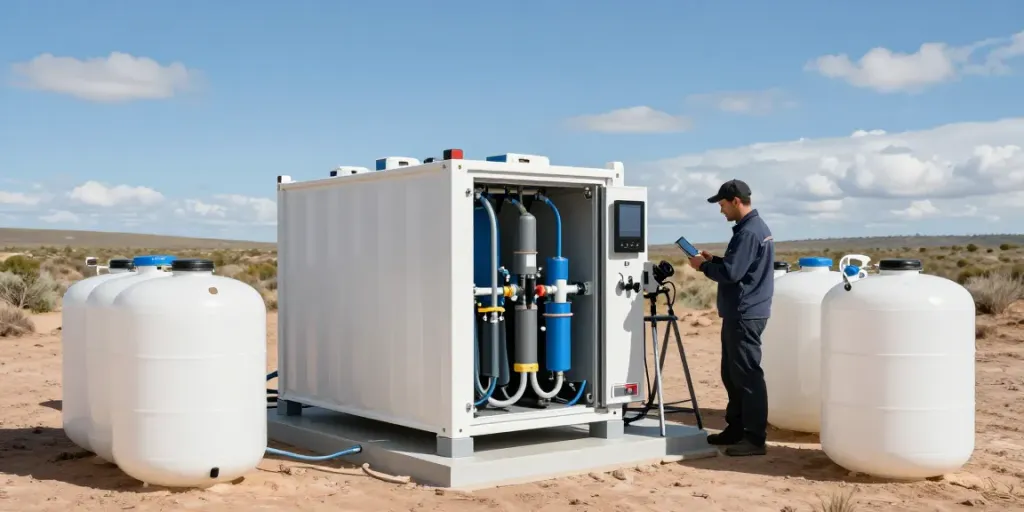
Containerized water treatment systems are modular units designed to purify water efficiently while being easily transportable. They function as compact treatment plants, integrating all essential processes typically found in a traditional water treatment facility. These systems consist of various treatment stages such as physical filtration, chemical disinfection, and advanced separation methods like reverse osmosis (RO). Their primary advantage lies in their ability to be pre-fabricated in a controlled environment, reducing construction time and enabling quick deployment in diverse locations.
Key Benefits and Features of Modular Solutions
- Modular Flexibility: Containerized systems can be tailored to meet specific water quality standards and operational requirements, making them suitable for a wide range of applications.
- Rapid Deployment: With on-site setup times ranging from 3-7 days, these systems drastically reduce the time needed for water treatment solutions compared to traditional systems, which can take months to construct.
- Space Efficiency: Their compact design allows for significant space savings, which is especially beneficial in urban environments where land is at a premium.
- Reusability and Mobility: Containerized solutions are designed to be easily relocated, making them ideal for temporary setups in disaster recovery, mining operations, and military deployments.
- Integration of Advanced Technologies: Many systems come equipped with intelligent control technologies, offering real-time monitoring and data analytics that enhance operational efficiency and ensure consistent water quality.
Common Applications Across Industries
Containerized water treatment systems are versatile and can be deployed across various sectors, including:
- Municipal Applications: Providing drinking water treatment in remote communities or during emergency situations.
- Industrial Uses: Supplying high-purity water for industries such as pharmaceuticals, food and beverage, and electronics manufacturing.
- Agriculture: Ensuring effective irrigation while maintaining water quality standards for crops.
- Construction: Offering water treatment solutions for construction sites where immediate access to clean water is necessary.
- Disaster Relief: Rapid deployment in disaster-stricken areas to provide potable water solutions to affected populations.
Comparative Analysis: Containerized vs. Traditional Systems
The differences between containerized and traditional water treatment systems are stark and merit detailed analysis to understand the advantages of modular designs.
Deployment Timeframes: Efficiency Unpacked
One of the most significant distinctions is deployment time. Containerized systems can be operational within 3-7 days, significantly shortening the cycle compared to traditional setups that typically require 3-6 months for construction. This accelerated timeframe is crucial in scenarios where immediate access to clean water is essential, particularly in emergencies.
Space Utilization and Design Flexibility
Traditional water treatment systems necessitate expansive land and complex site preparation, often leading to significant civil engineering efforts. In contrast, containerized options need only a flat surface for deployment, achieving up to 50% savings in required floor space. This space efficiency allows for installations in urban areas or other constrained environments where traditional systems may not be feasible.
Impact on Operational Costs and Efficiency
Operational costs also differ markedly between the two systems. Containerized designs allow for factory prefabrication and standardized inspection, ensuring consistent quality while minimizing labor costs. Furthermore, the integration of intelligent systems for remote monitoring reduces the need for extensive on-site personnel, further enhancing operational efficiency and reducing costs over time.
Choosing the Right Water Treatment Systems Manufacturer
Selecting the appropriate water treatment systems manufacturer is critical for ensuring the effectiveness and efficiency of the water treatment solution. Several key factors should be considered during the evaluation process.
Key Factors for Evaluating Manufacturers
- Experience and Expertise: Look for manufacturers with a proven track record in designing and deploying containerized systems across various industries.
- Customization Options: Ensure that the manufacturer can tailor solutions to your specific water quality and treatment needs.
- Compliance and Certifications: Verify that the manufacturer adheres to local and international water quality standards.
- After-Sales Support: Consider the level of technical support available post-installation, as this can be vital for maintaining system efficiency.
Technology and Innovation in Water Treatment
Innovative technology plays a pivotal role in the effectiveness of containerized systems. Modern manufacturers should incorporate advanced treatment technologies, such as membrane filtration and biological treatment processes, to ensure high-quality output. The integration of automation and AI for predictive maintenance and monitoring can significantly enhance operational reliability.
Customer Support and After-Sales Service
Robust after-sales service is crucial for the longevity and performance of water treatment systems. Manufacturers should provide comprehensive training for operators, regular maintenance schedules, and readily available spare parts to ensure seamless operation and minimize downtime.
Implementation Strategies for Containerized Water Systems
Successful deployment of containerized water treatment systems requires strategic planning and execution. Understanding the implementation process can lead to optimized results.
Step-by-Step Process for Deployment
- Site Assessment: Conduct a thorough analysis of the deployment site to identify space, logistics, and water quality requirements.
- Design and Customization: Work with the manufacturer to customize the system per the specific needs identified in the site assessment.
- Logistics and Transportation: Plan for the safe transportation and positioning of the containerized units at the site.
- Installation and Commissioning: Follow manufacturer guidelines for installation, ensuring that all components are correctly set up and operational.
- Training and Handover: Provide training for operational staff and ensure proper documentation and processes are in place.
Maintenance Best Practices for Longevity
Routine maintenance is paramount for achieving optimal performance from containerized water treatment systems. Best practices include:
- Regular inspections to identify potential issues before they escalate.
- Scheduled cleaning and replacement of filters to maintain water quality.
- Monitoring system performance using intelligent control technologies to detect inefficiencies.
- Documenting all maintenance activities and changes to establish a reliable operational history.
Real-World Case Studies and Success Stories
Numerous real-world applications illustrate the effective use of containerized water treatment systems. For example, a humanitarian organization deployed containerized units in a disaster-stricken area, providing clean drinking water within days of a natural disaster. Similarly, an industrial facility adapted containerized treatment solutions to meet regulatory compliance for wastewater discharge, showcasing not only flexibility but also sustainability.
Future Trends in Water Treatment Technologies
The water treatment industry is evolving rapidly, influenced by technological advancements and increasing environmental awareness. Here are some future trends expected to shape the sector in 2026 and beyond.
Innovations Shaping the Industry by 2026
As technology continues to advance, containerized water treatment systems are expected to integrate cutting-edge innovations. This includes enhanced filtration technologies, the use of biodegradable materials, and improved energy efficiency practices, all contributing to reduced operational costs and better environmental stewardship.
Environmental Sustainability Practices
With increasing regulatory pressure on water treatment processes, sustainability will remain a focal point. Containerized systems can support the recycling and reuse of water, with resource recycling rates reaching up to 80%. The push for greener practices will likely see enhanced interest in reclaimed water modules and other eco-friendly technologies.
The Role of AI and Automation in Water Treatment
Artificial intelligence and automation are poised to revolutionize water treatment operations. Predictive analytics will enhance maintenance planning, minimizing downtime and reducing operational costs. Automation will further streamline processes, enabling remote monitoring and control, which is essential for ensuring compliance with water quality standards.
What are the most reputable water treatment systems manufacturers?
The market features several key players renowned for their innovative solutions and reliability. Top manufacturers have proven experience in both traditional and containerized systems, offering comprehensive support and customized solutions.
How do containerized systems compare to traditional setups?
Containerized systems offer numerous advantages over traditional setups, including faster deployment, greater flexibility, and improved scalability. These features are crucial for meeting the dynamic demands of water treatment in various applications.
What industries benefit most from modular water treatment systems?
Industries such as pharmaceuticals, food processing, agriculture, and disaster management benefit significantly from the versatility and efficiency of modular water treatment systems. The capacity for rapid deployment and customization makes them ideal for diverse scenarios.
What should I consider when selecting a water treatment system?
Factors such as system customization, compliance with regulations, after-sales support, and technological capabilities should guide the selection process. Understanding the specific water quality needs and operational requirements is vital for effective decision-making.
How can containerized water systems contribute to sustainability?
Containerized water systems promote sustainability through resource recycling and the integration of reclaimed water solutions. Their inherent mobility and adaptability also reduce the need for extensive civil engineering works, leading to less environmental disruption.