Understanding GRP Products and Their Applications
Glass Reinforced Plastic (GRP) is a composite material that combines polymer resins with glass fibers to create a lightweight, robust alternative to traditional materials like steel and aluminum. This innovative material has found applications in a wide range of industries due to its impressive strength-to-weight ratio, corrosion resistance, and low maintenance requirements. With over 40 years of experience, Engineered Composites stands out as a leading GRP manufacturer in the UK, offering tailored solutions for various sectors including construction, automotive, and marine.
What is Glass Reinforced Plastic (GRP)?
GRP is a composite material consisting of a plastic matrix reinforced with glass fibers. This combination provides excellent mechanical properties, making GRP an attractive option for many applications. The manufacturing process typically involves pultrusion or hand lay-up techniques, allowing for intricate designs and high strength. The resin used in GRP can also be tailored to meet specific requirements, such as fire resistance or increased UV stability.
Key Applications of GRP in Various Industries
GRP is utilized across a myriad of industries due to its adaptability. Here are some key applications:
- Construction: GRP is widely used for roofing, cladding, and structural components in various buildings.
- Aerospace: The lightweight nature of GRP makes it ideal for parts in aircraft, contributing to fuel efficiency.
- Marine: GRP boats and components benefit from the material's corrosion resistance, making them suitable for harsh environments.
- Transportation: GRP is often used for manufacturing lightweight components in vehicles, enhancing performance and efficiency.
- Electrical: Its non-conductive properties make GRP an excellent choice for electrical insulation and safety applications.
Comparing GRP with Traditional Materials: Steel and Aluminium
When selecting materials for construction or manufacturing, comparing GRP to steel and aluminum reveals significant advantages. GRP is approximately 70% lighter than steel, which simplifies handling and reduces structural support needs. Additionally, GRP does not corrode or require painting, unlike metals that often need protective coatings, leading to long-term cost savings. Moreover, GRP exhibits better insulation properties, providing further benefits in energy efficiency.
The Advantages of Using Engineered Composites’ GRP Solutions
The Cost-Effectiveness of GRP Products
One of the standout benefits of using GRP products from Engineered Composites is their cost-effectiveness. Lower material costs combined with the reduced need for maintenance and longer service life mean that GRP products often represent a better investment over time. Projects utilizing GRP can achieve significant savings in both labor and material expenses, making it an appealing choice across various industries.
Long-Term Durability and Sustainability of GRP
GRP products are renowned for their durability. With a lifespan exceeding 50 years, they outperform many traditional materials, particularly in harsh conditions. Their resistance to chemicals, UV light, and extreme weather ensures that they retain their structural integrity and aesthetic appeal over time. Additionally, the manufacturing processes for GRP are becoming increasingly efficient and environmentally friendly, supporting sustainability initiatives and reducing energy consumption during production.
Enhanced Safety Features of GRP Components
Safety is paramount in the design and selection of materials for industrial applications. GRP products from Engineered Composites meet strict safety standards, including fire performance ratings compliant with BS 476 Part 7. Their non-conductive nature also makes them safe for use in electrical installations, while their lightweight design reduces the risk of injury during handling and installation.
Quality Assurance and Compliance in GRP Manufacturing
Maintaining Quality Standards in Production
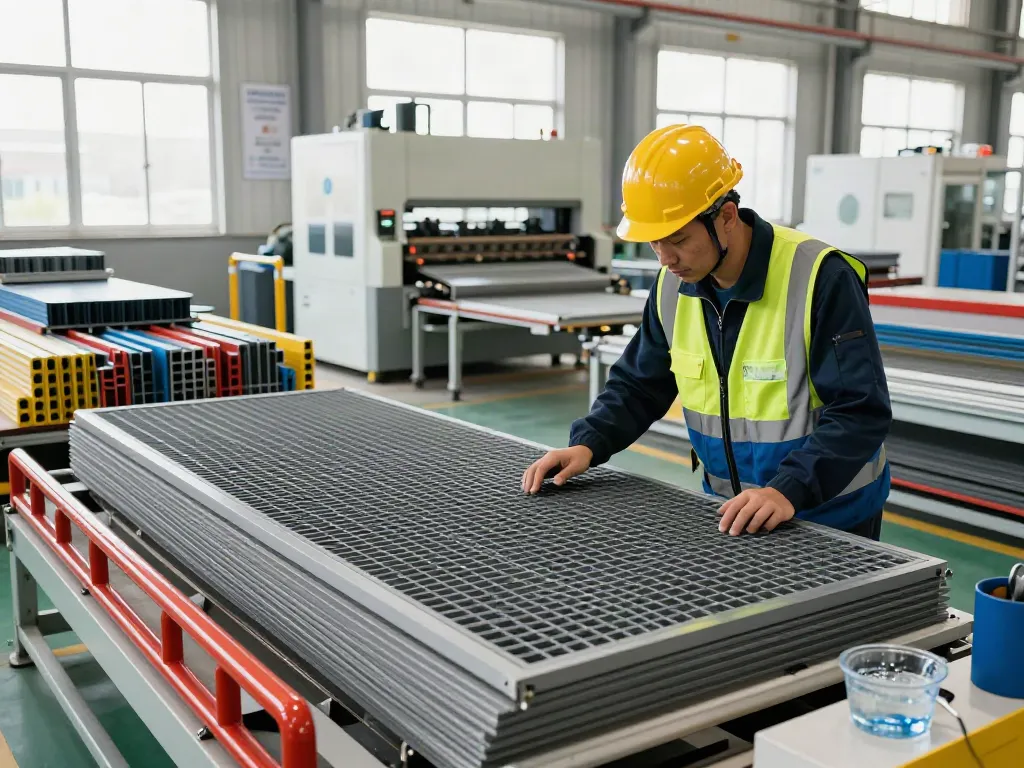
Engineered Composites prides itself on ensuring high quality in every GRP product manufactured. With ISO 9001 certification, the company maintains rigorous quality control throughout the production process. This commitment to quality is evident in the consistent performance of their GRP gratings, handrails, and other products, which undergo extensive testing before they are delivered to clients.
Regulatory Compliance: Fire and Structural Standards
Compliance with UK building regulations and international standards is critical in the manufacturing of GRP products. Engineered Composites ensures that all products meet the BS EN 13706 standards for structural performance and fire safety. This dedication to regulatory compliance not only guarantees product reliability but also provides peace of mind to customers across various sectors.
Testing and Certification of GRP Products
The rigorous testing of GRP products ensures that they meet or exceed industry standards. All products undergo extensive evaluations for strength, durability, and fire resistance, with certifications provided to support compliance claims. This testing process is essential for maintaining the high performance and safety standards that Engineered Composites is known for.
Getting Custom Solutions and Quotes from Engineered Composites
How to Request a Quotation for GRP Products
Obtaining a quotation from Engineered Composites is a straightforward process. Potential customers can reach out via phone or through the online enquiry form available on their website. The technical sales team is prepared to provide prompt, no-obligation quotes for any GRP product, ensuring a seamless acquisition process.
Custom Fabrication Options Available
Engineered Composites offers custom fabrication services to cater to specific customer needs. This flexibility allows for tailored solutions that can accommodate unique dimensions, load requirements, and design specifications. Whether it's bespoke GRP grating or specialized handrails, the company is equipped to deliver high-quality products that meet precise project demands.
Lead Times and Delivery Expectations
To ensure efficient project timelines, Engineered Composites maintains a commitment to rapid delivery. Most standard orders can be fulfilled within 1-2 working days, while custom solutions are optimized for quick turnarounds. With extensive stock availability and logistical capabilities, clients can expect timely delivery of their GRP products to keep projects on schedule.
Future Trends in the GRP Industry for 2026 and Beyond
Innovations in GRP Manufacturing Techniques
As the GRP industry evolves, new manufacturing technologies are emerging that enhance the properties and performance of GRP products. Innovations such as automated pultrusion and advanced resin systems are becoming more prevalent, leading to improved efficiency and product quality. These advancements position GRP as a competitive material in future applications.
Market Growth and Opportunities for GRP
The demand for GRP is expected to grow significantly in the coming years, driven by an increase in infrastructure projects and a shift towards sustainable construction practices. As industries recognize the benefits of GRP, opportunities for Engineered Composites to expand their market share will arise, particularly in sectors like renewable energy and transportation.
Sustainability Practices in the GRP Sector
With sustainability becoming a priority in material selection, the GRP industry is focusing on eco-friendly practices. Engineered Composites is committed to reducing its carbon footprint by utilizing energy-efficient production methods and sourcing materials responsibly. Additionally, the recyclability of GRP at the end of its lifecycle further enhances its appeal as a sustainable choice.
What Maintenance Do GRP Products Require?
GRP products are designed for minimal maintenance, making them an attractive option for businesses. Routine cleaning with mild detergents is usually sufficient to keep GRP products looking and performing their best. Unlike traditional materials that require regular painting or corrosion protection, GRP's inherent properties ensure a long-lasting and low-maintenance solution.
Are GRP Materials Non-conductive and Corrosion Resistant?
Yes, one of the hallmark features of GRP materials is their non-conductive nature and exceptional corrosion resistance. This property makes them ideal for a wide range of applications, especially in electrical and marine environments where metal components would typically degrade. GRP’s resistance to chemicals and moisture further enhances its suitability in these challenging settings.