Introduction to Automatic Bag Palletizer Machines
The landscape of packaging and logistics has evolved significantly, with automation at the forefront of this transformation. One key player in this revolution is the automatic bag palletizer machine, a vital piece of equipment designed to enhance efficiency in the palletizing process. These machines automate the handling and stacking of bags, providing crucial benefits in speed, accuracy, and operational cost savings. As businesses strive to optimize their workflow, adopting an automatic bag palletizer machine has become an attractive solution for both large-scale manufacturers and smaller enterprises alike.
What is an Automatic Bag Palletizer Machine?
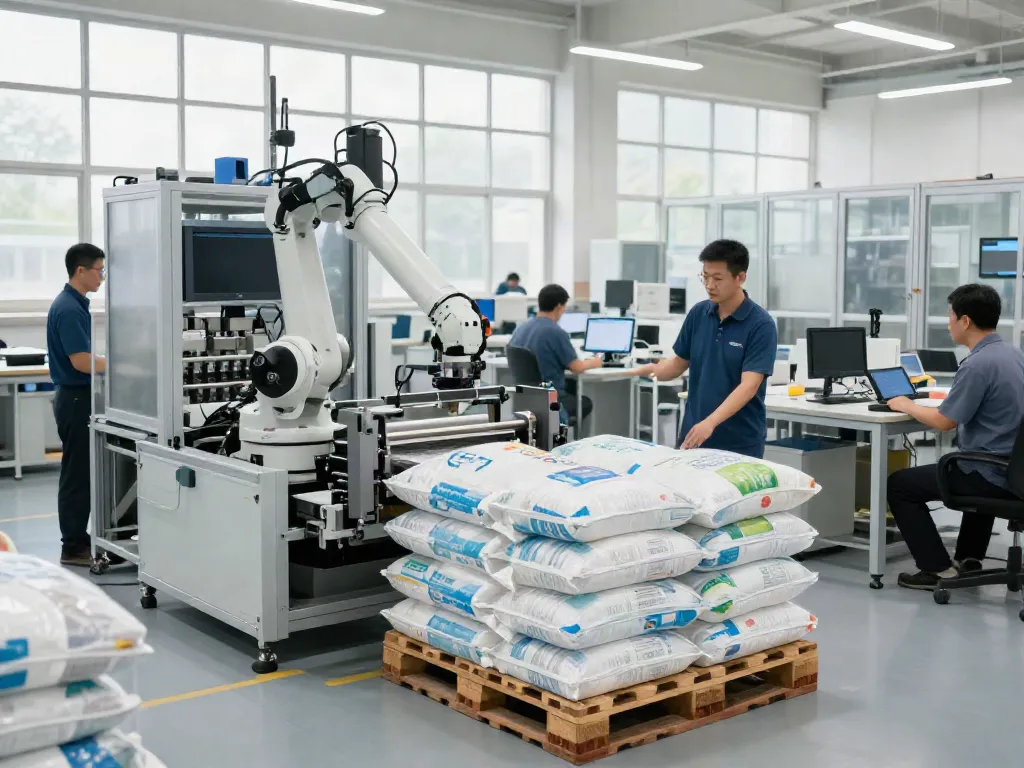
An automatic bag palletizer machine is a sophisticated device that automates the process of stacking bags onto pallets. It reduces the need for manual labor and minimizes human error, enhancing productivity and operational efficiency. The device works by receiving bags from a packaging line, aligning them, and stacking them according to specified patterns. These machines can handle various bag sizes and materials, from paper and plastic to woven polypropylene, making them versatile for many industries including food, agriculture, chemicals, and more.
Key Features and Benefits of Modern Palletizers
- High Speed and Efficiency: Automatic bag palletizers can process a high volume of bags per minute, significantly increasing throughput in production lines.
- Precision and Consistency: They ensure that each pallet is stacked consistently, which is crucial for stability during transportation and storage.
- User-Friendly Interfaces: Many modern palletizers are equipped with intuitive controls and monitoring systems, simplifying operations and maintenance.
- Space Optimization: They are designed to fit into tight spaces, maximizing the use of existing floor space in manufacturing facilities.
Importance in the Packaging Industry
The role of automatic bag palletizers in the packaging industry cannot be overstated. They not only streamline the palletizing process but also contribute to improved safety by reducing the physical strain on workers. By automating repetitive tasks, businesses can reallocate labor to more strategic roles, fostering a more effective workforce. Moreover, as sustainability becomes a priority, companies are turning to automated solutions to reduce waste and improve their carbon footprint. When exploring options, automatic bag palletizer machine technology offers comprehensive insights into modern palletizing solutions.
Types of Automatic Bag Palletizer Machines
Robotic vs. Conventional Palletizers
In the realm of automatic bag palletizers, two main types dominate: robotic and conventional palletizers. Robotic palletizers utilize robotic arms to pick and place bags onto pallets. They are renowned for their flexibility, allowing for quick adjustments to accommodate different bag sizes and configurations. Conventional palletizers, on the other hand, typically employ mechanical arms with fixed patterns. While they can be faster for high-volume, uniform products, they may lack the adaptability of robotic systems.
Choosing the Right Type for Your Business Needs
Selecting the appropriate palletizer type depends on various factors, including production volume, bag types, and floor space. Businesses requiring flexibility and high throughput may benefit from robotic palletizers, while those with consistent product lines may find conventional systems sufficient. Conducting a thorough needs assessment can ensure the selected palletizer aligns with operational goals and enhances overall productivity.
Innovative Technologies in Palletizing
Advancements in technology have led to the development of cutting-edge features in bag palletizers. Integrating artificial intelligence (AI) and machine learning can enhance the machine's ability to analyze production data, optimize pallet layouts, and predict maintenance needs. Additionally, smart sensors can improve the machine's ability to handle various bag materials and dimensions without manual adjustments, further streamlining operations.
Common Challenges and Solutions in Palletizing
Overcoming Space Limitations in Manufacturing Facilities
Manufacturing facilities often face spatial constraints, which can complicate the installation of new equipment. Compact palletizer designs are available that can fit into smaller footprints without sacrificing performance. Vertical stacking systems can also help save space while ensuring efficient production flow.
Addressing Compatibility with Various Bag Types
Another common challenge involves ensuring compatibility with different bag types. Automatic bag palletizers must be adaptable to handle a range of materials and sizes. Investing in machines with adjustable features or modular designs enables businesses to accommodate various products without extensive modifications.
Maintaining Efficiency and Reducing Downtime
Maximizing operational efficiency requires minimizing downtime. Regular maintenance schedules and real-time monitoring systems can help identify potential issues before they lead to prolonged stoppages. Furthermore, employee training on machine operation and troubleshooting can empower staff to address minor issues independently, keeping production lines moving smoothly.
Future Trends in Bag Palletizing Automation
Advancements in Robotics and AI
As robotics and AI technology continues to evolve, we can expect substantial improvements in the capabilities of automatic bag palletizers. Future machines may utilize advanced vision systems to enhance bag detection and orientation, improving accuracy and reducing misalignment during stacking. Moreover, AI-driven analytics could provide insights into optimizing operational workflows.
Sustainability Practices in Palletizing Operations
With a growing emphasis on sustainability, manufacturers are increasingly integrating eco-friendly practices into their operations. This includes using energy-efficient machines and optimizing palletizing processes to minimize waste. The adoption of sustainable materials for bags and packaging can also contribute to a greener supply chain.
Predictions for the 2026 Market Landscape
Looking ahead to 2026, the demand for automatic bag palletizers is expected to rise as more companies embrace automation to enhance productivity and reduce costs. Market growth will likely be driven by advancements in technology, increased adoption of smart manufacturing practices, and a focus on sustainability. Organizations that invest in modern palletizing solutions will be well-positioned to thrive in an increasingly competitive landscape.
Implementing an Automatic Bag Palletizer Machine: A Step-by-Step Guide
Assessing Your Operational Needs
Before investing in an automatic bag palletizer, it’s critical to conduct a thorough analysis of your operational needs. This assessment should include evaluating your current production rates, the types of products being handled, and space availability. Understanding these factors will help you select a machine that best fits your requirements.
Best Practices for Installation and Training
Once you have acquired a palletizer, proper installation is paramount. It is advisable to work closely with the manufacturer to ensure that the machine is set up according to specifications and safety standards. Additionally, providing comprehensive training for employees on operating and maintaining the machine will boost efficiency and reduce the likelihood of mishaps.
Measuring Success and Performance Metrics
To gauge the effectiveness of your new palletizer, it’s essential to establish key performance indicators (KPIs). Metrics such as production speed, accuracy rates, and downtime should be monitored regularly. Analyzing this data will allow you to identify areas for improvement and optimize the palletizing process continually.
What Should You Consider When Investing?
Investing in an automatic bag palletizer is a significant commitment. Consider factors such as total cost of ownership, expected return on investment, and machine longevity. It’s also beneficial to investigate manufacturer support and warranty options to ensure ongoing service and maintenance assistance.
FAQs about Automatic Bag Palletizer Machines
How does an automatic bag palletizer machine work?
The operation of an automatic bag palletizer typically involves a series of processes where bags are received from a conveyor system, oriented, and then stacked onto pallets according to defined patterns, all controlled by a centralized software system.
What industries benefit most from bag palletizers?
Industries such as food and beverage, agriculture, chemicals, and pharmaceuticals benefit significantly from bag palletizers due to their high-volume production environments and need for consistent quality control.
What are the cost factors associated with palletizer machines?
Cost factors may include the type of technology used, installation expenses, maintenance contracts, and the specific features of the machine. Additionally, operational costs such as energy consumption should be considered.
How do I choose the best palletizer for my business?
Choosing the best palletizer involves assessing production needs, space constraints, and compatibility with existing systems. Engaging with a knowledgeable supplier can provide insights tailored to your specific requirements.
What maintenance is required for these machines?
Regular preventive maintenance, including lubrication, parts inspection, and software updates, is crucial for maintaining the longevity and efficiency of bag palletizers. Establishing a routine maintenance schedule will help minimize downtime and prolong the machine's lifespan.