Understanding Glass Cutting Machines
In the world of glass manufacturing, efficiency, precision, and quality are paramount. The glass cutting machine has emerged as a critical asset for industries ranging from construction to specialized craftsmanship. These machines not only streamline the cutting process but also enhance productivity significantly. When exploring options, glass cutting machine provide comprehensive insights into modern glass processing solutions.
What is a Glass Cutting Machine?
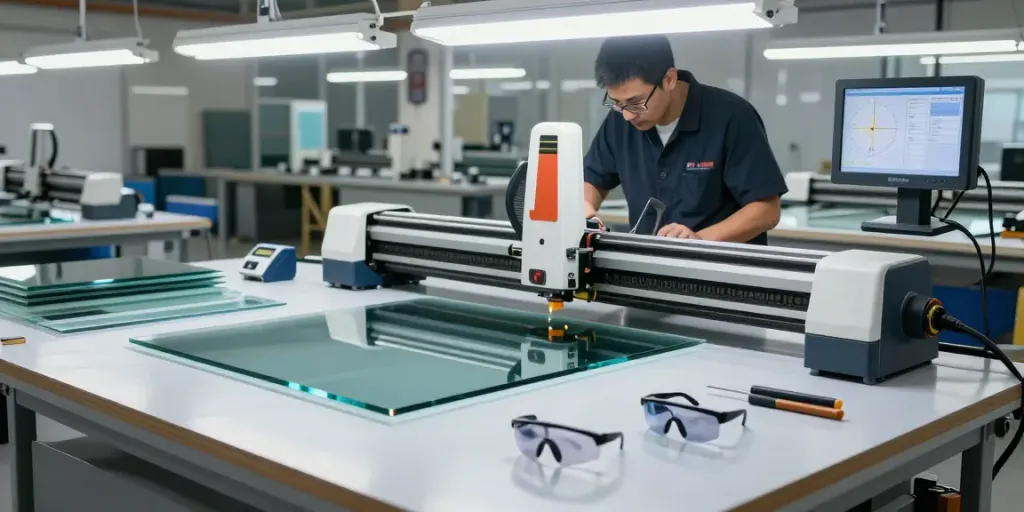
A glass cutting machine is a specialized tool designed to cut glass sheets into specified dimensions and shapes with high precision. These machines utilize various cutting methods, including manual, automated, and CNC (Computer Numerical Control) systems, tailored to meet specific operational needs. From thin sheets used in decorative art to thick glass panes required for construction, the versatility of glass cutting machines makes them indispensable across multiple sectors.
Key Components of Glass Cutting Machines
Understanding the anatomy of a glass cutting machine is essential for selecting the right equipment for your needs. The main components typically include:
- Cutting Head: This is where the actual cutting action takes place. Some machines come with a single-head setup while others have multiple heads for simultaneous cutting.
- Guiding System: Precision is vital, so guiding systems ensure that the glass remains stable during the cutting process.
- Control Panel: Modern machines feature intuitive control panels that allow operators to input dimensions and cutting patterns easily.
- Vacuum Table: This holds the glass firmly in place to prevent movement while cutting, ensuring accuracy in the final product.
- Dust Extraction System: To maintain a clean workspace and enhance the longevity of the machine, dust extraction systems remove glass shards and debris.
Types of Glass Cutting Machines Available
Various types of glass cutting machines cater to different needs and functionalities:
- Manual Glass Cutters: Ideal for small-scale projects, these are hand-operated tools great for craft enthusiasts.
- Automatic Glass Cutting Machines: Used in high-volume production, these machines automate the entire cutting process, significantly reducing labor costs.
- CNC Glass Cutting Machines: These are designed for intricate cutting patterns and are controlled by computer software for maximum precision.
- Water Jet Cutters: Employing high-pressure water jets, these machines can cut through any thickness of glass, making them suitable for complex designs.
Benefits of Modern Glass Cutting Machines
Investing in modern glass cutting machines offers numerous advantages that enhance manufacturing capabilities and product quality.
Increased Efficiency and Productivity
One of the primary benefits of modern glass cutting machines is their ability to increase efficiency. Automated processes reduce the time it takes to cut glass, enabling manufacturers to meet higher production demands without compromising quality. Additionally, modern machines can often process multiple sheets simultaneously, which maximizes output.
Enhancing Precision and Quality
Precision is critical in glass cutting, particularly for industries that require tight tolerances. Advanced glass cutting machines utilize sophisticated technologies that ensure consistent accuracy. This not only results in cleaner edges but also minimizes the need for post-cutting finishing work, further enhancing the quality of the final product.
Cost Savings and Reduced Waste
By optimizing the cutting process, modern machines also contribute to significant cost savings. They reduce material waste through precise cuts, which maximizes the use of glass sheets. Moreover, the automation of tasks minimizes labor costs associated with manual cutting, allowing businesses to allocate resources more strategically.
Applications Across Industries
The versatility of glass cutting machines means they are utilized across various industries, each leveraging the technology for unique applications.
Architectural and Construction Uses
In the architectural and construction industries, glass cutting machines are essential for creating windows, facades, and interior partitions. The ability to cut large sheets of glass into specific dimensions quickly is vital for meeting deadlines and maintaining structural integrity.
Automotive Industry Applications
Glass cutting machines play a crucial role in the automotive sector, especially in producing windshields and other glass components. The precision required for safety features demands high-quality cuts that these machines can deliver.
Artistic and Crafting Uses
Crafters and artists utilize glass cutting machines for decorative projects, stained glass art, and custom glass pieces. The ability to make intricate cuts allows for creativity and personalization in various artistic endeavors.
Choosing the Right Glass Cutting Machine
Selecting the appropriate glass cutting machine is vital for achieving desired outcomes, whether for residential, commercial, or artistic purposes.
Factors to Consider When Selecting a Machine
When evaluating glass cutting machines, several factors should be taken into account:
- Volume of Production: Consider how frequently the machine will be used and the volume of glass that needs to be processed.
- Type of Glass: Different machines are designed to handle various types of glass, such as tempered, laminated, or low-E glass.
- Budget: Determine your budget and explore options that meet your financial constraints without sacrificing quality.
- Technical Support: Look for manufacturers that provide strong customer support and maintenance services.
Understanding Technology Trends for 2026
The glass cutting industry is continuously evolving with advancements in technology. As we approach 2026, trends like AI integration for predictive maintenance, augmented reality for training operators, and enhanced automation will shape the future of glass cutting machinery. Keeping abreast of these trends can provide a competitive edge.
Comparing Different Manufacturers and Models
Not all glass cutting machines are created equal, and comparing models from various manufacturers can help identify the right fit for your needs. Factors to consider in this comparison include cutting speed, precision, warranty options, and user reviews. Leading manufacturers like Eworld Machinery, known for their high-quality products since 2002, offer a range of models tailored for different applications.
Best Practices for Operation and Maintenance
To ensure the longevity and efficiency of your glass cutting machine, adhering to best operational and maintenance practices is crucial.
Safety Guidelines in Glass Cutting
Safety should always be a priority when operating glass cutting machines. Operators must wear appropriate personal protective equipment (PPE), such as safety goggles and gloves, to prevent injuries. Additionally, regular safety training can help mitigate risks associated with glass handling and cutting.
Routine Maintenance Procedures
Regular maintenance activities, including cleaning the cutting head, lubricating moving parts, and checking the calibration, can significantly prolong the lifespan of your equipment. Establishing a routine maintenance schedule helps identify potential issues early and reduces downtime.
Common Troubleshooting Techniques
Understanding common issues that may arise during operation is beneficial for quick troubleshooting. Problems such as uneven cuts or machine stalling can often be resolved by checking the alignment of the machine, the quality of the blades, and ensuring the glass is secured properly.