Understanding the Appeal of Tree House Life
The fascination with tree houses transcends generations, offering children and adults alike a unique blend of adventure, creativity, and closeness to nature. Tree houses are not merely structures; they represent a lifestyle that celebrates freedom, imagination, and harmony with the environment. As individuals increasingly seek retreats from urban life, the enchantment of a tree house becomes even more pronounced, appealing to those desiring a sanctuary among the branches. For those interested in exploring these unique habitats, tree house life provides comprehensive insights into design, construction, and lifestyle options.
What Makes Tree House Living Special?
Tree house living is special for several reasons. First and foremost, it allows for a profound connection with nature. Nestled in the boughs of trees, these structures invite the serenity of the outdoors, creating a peaceful retreat where one can unwind. Moreover, the elevated position of tree houses offers stunning views that ground dwellings simply cannot match. This unique architectural style also fosters creativity and playfulness, leading to countless imaginative possibilities for children and adults alike.
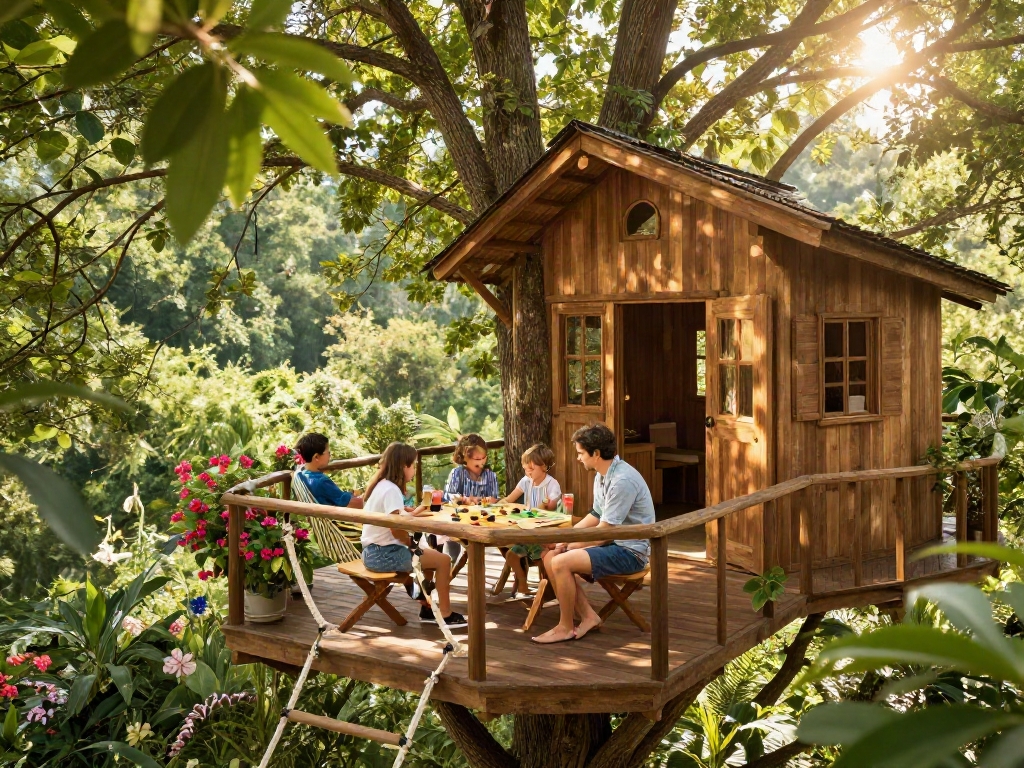
Tree houses often become more than just places to stay; they turn into family hubs where memories are made, stories are shared, and bonds are strengthened. In essence, they hold the promise of adventure and the spirit of exploration.
Benefits for Families and Children
For families, tree houses can provide a multitude of benefits. They serve as safe havens for children, promoting outdoor play and encouraging physical activity, which is increasingly vital in a technology-driven world. Climbing into a tree house can spark a child’s imagination, leading to adventures limited only by their creativity.
Additionally, tree houses offer an extraordinary way for families to spend quality time together. Whether it’s a simple game of cards, storytelling, or just enjoying the views, tree houses foster interaction away from screens. They also provide a space for parents to teach their children about responsibility and the environment, encouraging respect for nature and wildlife.
Emotional Connections with Nature
The emotional connections we form with nature are fundamental to our well-being, and tree houses provide an ideal setting for nurturing this relationship. The simple act of being elevated among the trees can evoke feelings of serenity and exhilaration. From the rustling leaves to the songs of birds, the experience is immersive and restorative.
Moreover, tree houses can play a pivotal role in fostering environmental stewardship. Living in and amongst trees allows individuals to observe the delicate ecosystems surrounding them, instilling a sense of responsibility towards preserving our natural world.
Designing Your Dream Tree House
Designing a tree house involves a mix of creativity and practicality. One must consider not only the aesthetic appeal but also the structural integrity and safety of the design. Every tree house should start with a clear vision, including its purpose—will it be a quiet retreat, a play area, or perhaps even a full-time residence?
Essential Features of a Functional Tree House
A well-designed tree house should incorporate several essential features to ensure functionality and safety. Firstly, ample space is crucial. Depending on its intended use, a tree house can range from a compact hideaway to a more spacious dwelling equipped with amenities.
- Access Points: Stairs, ladders, or even rope bridges should be carefully designed to ensure ease of access while maintaining safety.
- Safety Features: Railings, sturdy flooring, and secure anchors are necessary to protect occupants against falls.
- Weather-Proofing: Proper insulation and weather-resistant materials will prolong the tree house's lifespan and ensure comfort.
- Windows: Strategic window placement can maximize natural light and provide beautiful views.
- Utilities: If the tree house is to be used year-round, consider including basic utilities like electricity and plumbing.
Choosing the Right Location and Trees
The location of your tree house is vital. It should be built in a stable, healthy tree that can support the structure without risking its health or longevity. Popular choices include oak and maple trees due to their robust trunks and widespread branches. Assessing factors like sunlight, wind direction, and surrounding foliage can also enhance the experience.
Moreover, considering the ground level is essential—ensure the area is flat and safe from potential hazards like flooding or falling branches. The chosen location should align with the tree house’s purpose, whether it's for play, relaxation, or as an artistic retreat.
Balancing Aesthetics and Safety in Design
While safety is paramount, the aesthetics of a tree house can significantly enhance its charm. Choosing a design that harmonises with the natural environment will not only make it visually appealing but also create a soothing atmosphere. Materials should blend well with the surroundings, using finishes that echo the textures and colours of the surrounding landscape.
Incorporating natural elements like wood, stone, and even greenery can create a seamless transition from the tree house to its environment. Balancing aesthetics with safety ultimately results in a space that inspires and nurtures.
Building a Tree House: Step-by-Step Guide
Building a tree house can be a rewarding experience. Following a structured approach can help ensure the project runs smoothly, from initial planning to the final touches. Here’s how to navigate the construction process.
Gathering the Right Materials
Before diving into construction, gather high-quality materials that align with your design vision and functional requirements. Common materials include pressure-treated lumber for durability, plywood for flooring, and heavy-duty screws for secure assembly. Depending on your design, you may also require roofing materials, insulation, and weatherproof finishes.
Consider eco-friendly materials to promote sustainability. Reclaimed wood or non-toxic finishes can reduce your environmental impact while ensuring a safe environment for occupants.
Planning Your Construction Process
A detailed plan can streamline the construction process and reduce potential risks. Begin by sketching out your design and listing the functions you want within the tree house. This will inform your decisions about layout, materials, and safety features.
Next, establish a timeline and budget. Be realistic about the skills and equipment you have at your disposal; if you lack certain construction skills, consider collaborating with a professional builder experienced in tree houses.
Common Pitfalls to Avoid When Building
Avoiding pitfalls during construction can save time and resources. Common mistakes include:
- Inadequate Structural Support: Ensure the tree can support the weight and design of the tree house.
- Ignoring Local Regulations: Check local building codes and regulations regarding tree houses.
- Rushing the Design Phase: Take time to plan thoroughly; rushing can lead to lasting issues.
- Overbuilding: Keep the design simple and realistic based on your skill level and budget.
Creating a Tree House Lifestyle
More than just a physical structure, a tree house can foster a unique lifestyle that promotes creativity, sustainability, and community engagement. To fully embrace this lifestyle, consider the following aspects.
Incorporating Sustainable Practices
Sustainability should be at the forefront of any tree house lifestyle. Start with eco-friendly building materials and construction methods that minimise environmental impact. Additionally, incorporate features like rainwater collection systems, solar panels, and composting toilets to create an energy-efficient and environmentally friendly space.
Encouraging a lifestyle that prioritises nature can inspire inhabitants to engage more with their surroundings, promoting conservation and responsible living.
Activities to Enjoy in Your Tree House
Tree houses offer a variety of activities that can enrich your experience. Consider setting up space for:
- Artistic Pursuits: Use the serene environment for painting, writing, or crafting.
- Relaxation: Create a cozy reading nook or meditation space to unwind.
- Outdoor Adventures: Use your tree house as a base for exploring the surrounding area or hosting nature-themed scavenger hunts.
Connecting with the Community: Events and Gatherings
Tree houses can serve as venues for community events, fostering connections and shared experiences. Host gatherings like tree-themed parties, workshops on sustainability, or even yoga classes to deepen community ties. Engaging with neighbours can turn your tree house into a hub of creativity and collaboration.
Future Trends in Tree House Living
As interest in tree house living grows, so too do the innovations and trends within this niche. Embracing new technologies and design philosophies can enhance the tree house experience and ensure its relevance for years to come.
Innovations in Tree House Design and Construction
The future of tree house design is likely to see the integration of smart home technology. From automated lighting and climate control to smart security systems, these features can elevate the living experience without sacrificing the charm of a tree house. Moreover, modular designs that allow for easy assembly and disassembly could cater to those looking for temporary or seasonal living options.
Predicted Trends for 2026 and Beyond
By 2026, we can expect a shift towards more luxurious and innovative designs that cater to a growing demographic interested in unique residential experiences. This includes multi-level tree houses with advanced outdoor entertainment spaces, such as outdoor kitchens and communal fire pits. Eco-friendly materials will likely become the standard, with a focus on sustainability driving consumer choices.
How Tree House Life Enhances Connection with Nature
Ultimately, the essence of tree house life is its ability to enhance our connection with nature. By creating spaces that coexist harmoniously with the environment, tree houses invite us to step outside our routine and immerse ourselves in the natural world. This lifestyle not only promotes well-being but also fosters a deeper appreciation for the beauty and complexity of our ecosystems.
What are the best materials for building tree houses?
When selecting materials for your tree house, aim for durability and safety. Pressure-treated lumber, marine-grade plywood, and weather-resistant finishes are recommended for their longevity and performance. Additionally, eco-friendly options like reclaimed wood are also ideal for those prioritising sustainability.
How can I ensure my tree house is safe for children?
Safety is paramount when constructing a tree house for children. Implement sturdy railings, make use of non-slip surfaces, and ensure that all access points are secure. Regular inspections and maintenance are essential to identify and rectify any potential hazards.
What are some creative activities to do in a tree house?
Tree houses can serve as unique venues for a range of activities. From hosting creative workshops to setting up outdoor movie nights, the possibilities are endless. Encourage imaginative play, such as creating a storytelling circle or crafting sessions to engage children and adults alike.
How can I maintain my tree house over time?
Maintaining your tree house involves regular inspections for structural integrity, clearing debris, and ensuring that all components are weatherproof. Routine cleaning and occasional painting will help preserve its aesthetic appeal and functionality.
What trends can we expect to see in tree house designs?
Future trends in tree house design are expected to focus on sustainability, luxury features, and enhanced connectivity with the environment. Innovations such as smart technology integration and modular construction methods can also shape the future of tree houses.