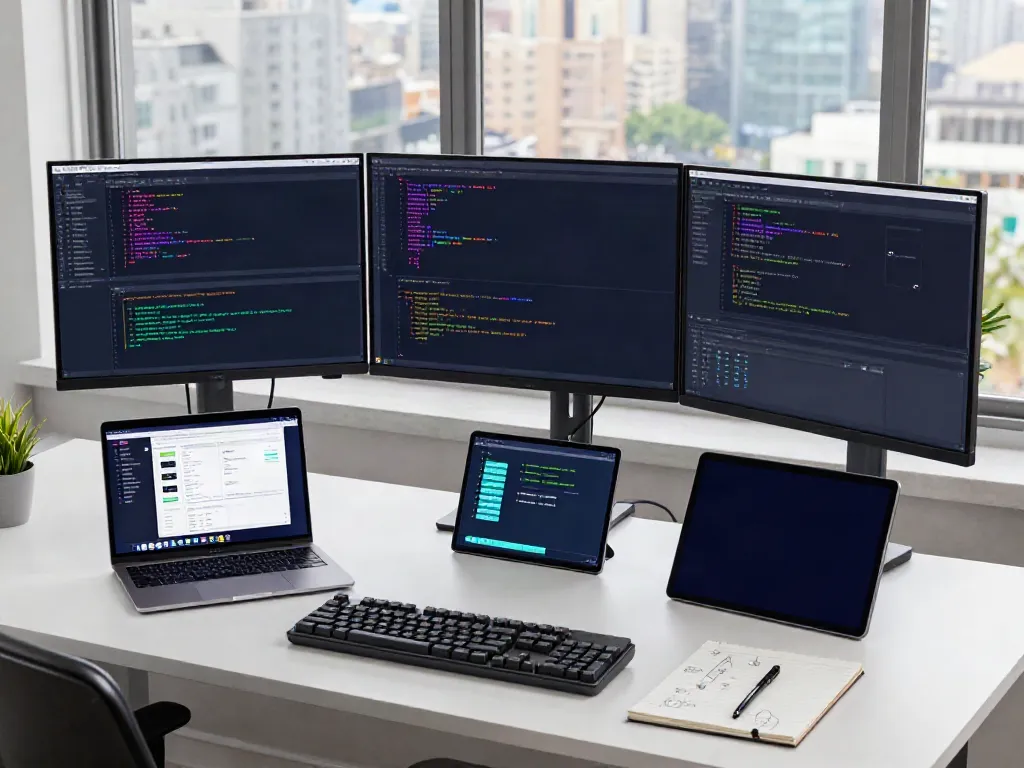
Understanding Click for Source: Definition and Importance
In today's fast-paced software development landscape, efficient navigation through source code is paramount. The concept of "click for source" serves as a bridge between the user interface and the source code, enabling developers to seamlessly transition between components and their underlying implementations. Understanding the nuances of this mechanism not only streamlines the coding process but also enhances productivity and fosters an agile development environment. For in-depth insights on maximizing your coding efficiency, click for source to explore expert advice.
What Does Click for Source Mean in Software Development?
In software development, "click for source" refers to the action of interacting with a user interface element to access its corresponding source code. This mechanism is common in integrated development environments (IDEs) and various software applications, allowing developers to understand and modify code quickly. By clicking on components in a visual editor, developers are often directed to the relevant portion of code that defines that element's behavior or appearance.
Why Click for Source Is Crucial for Programmers
This functionality is crucial for several reasons:
- Enhanced Efficiency: Instead of searching through files to locate specific code, developers can instantly navigate to the source, saving valuable time.
- Improved Understanding: By directly accessing the implementation, developers can better comprehend how a component works, facilitating easier debugging and modifications.
- Fostering Collaboration: When working in teams, having a straightforward way to access the source code encourages better communication and collaborative problem-solving.
Common Misconceptions About Click for Source
Despite its usefulness, there are misconceptions surrounding the "click for source" feature. Some developers believe it is only relevant for large teams or complex applications. In reality, this functionality can significantly benefit solo developers by simplifying the coding process and enhancing clarity, regardless of the project size.
Best Practices for Implementing Click for Source
Effective Techniques for Using Click for Source
To truly capitalize on the benefits of "click for source," developers should adopt some best practices. Firstly, ensuring that the IDE or editor is properly configured to support this feature is essential. This might involve setting up shortcuts or plugins that enhance navigation capabilities. Additionally, maintaining organized code and clear structure will make the source code easier to access and understand.
Tools and Resources that Enhance Click for Source
There are several tools available that support and enhance the "click for source" functionality:
- Integrated Development Environments: IDEs like Visual Studio, IntelliJ IDEA, and Eclipse come with built-in support that allows for easy navigation from UI elements to their source code.
- Browser Developer Tools: For web development, tools available in major browsers let developers inspect elements and jump straight to their source in the code.
- Debugging Tools: Many modern debugging tools allow developers to set breakpoints and immediately access the source code at that point of execution.
Evaluating Your Click for Source Strategy
Evaluating the effectiveness of your "click for source" strategy involves assessing how quickly and efficiently your team can navigate and understand source code. Regular feedback sessions and code reviews can help determine how well the current setup is working and whether adjustments are necessary to enhance the experience.
Overcoming Challenges with Click for Source
Common Obstacles in Source Code Navigation
Even with the advantages of "click for source," developers can encounter challenges:
- Fragmented Codebases: In large projects where code is scattered across multiple files, finding the right source can become cumbersome.
- Inconsistent Naming Conventions: If components and their corresponding code are not named consistently, navigation can be confusing.
- Limited Tool Support: Not all tools effectively support "click for source," which can hinder developer workflow.
Strategies to Streamline Click for Source Usage
To overcome these challenges, developers can implement several strategies:
- Establish Naming Conventions: Developing and adhering to strict naming conventions can facilitate easier navigation.
- Use Modular Design: Structuring code into manageable, modular components can simplify the process of locating and understanding code.
- Regular Refactoring: Keeping the codebase clean and refactored ensures easier navigation and understanding, enhancing overall productivity.
Case Studies of Successful Click for Source Implementation
There are numerous examples of organizations that have effectively integrated "click for source" strategies into their development processes:
- Company A: After implementing a new IDE with improved "click for source" capabilities, Company A reported a 30% reduction in time spent searching for code, allowing developers to focus more on actual coding.
- Company B: By establishing strict naming conventions and modular designs, Company B enhanced its team's ability to navigate and understand complex code, resulting in fewer bugs and faster deployment cycles.
Measuring Success with Click for Source
Key Performance Indicators for Click for Source
To measure the success of "click for source" initiatives, development teams should track specific key performance indicators (KPIs):
- Time to Navigate: Measure the average time it takes for developers to locate and understand source code after using the "click for source" feature.
- Error Rate: Analyze the frequency of errors or bugs related to misunderstandings of code, comparing these rates before and after implementing "click for source."
- Developer Satisfaction: Regularly survey developers about their experiences with code navigation to gather qualitative data on the feature's effectiveness.
Tools for Tracking Click for Source Effectiveness
Several tools can assist in tracking the effectiveness of "click for source":
- Analytics Tools: By utilizing analytics platforms integrated into your development environment, teams can collect data on navigation patterns and identify areas for improvement.
- Code Review Tools: Platforms like GitHub and Bitbucket not only facilitate collaborative code reviews but also help measure navigational effectiveness.
- Feedback Systems: Implementing feedback mechanisms directly within the IDE can provide real-time insights into how developers are using "click for source."
Real-World Applications and Success Stories
Many organizations have successfully leveraged "click for source" to boost productivity and enhance code quality:
- Tech Startup X: By streamlining their development processes with effective "click for source" strategies, Tech Startup X reduced their product development cycle time by 25%.
- Enterprise Y: Enterprise Y found that by employing modular code practices and enhancing "click for source" navigation, their teams significantly improved collaboration, leading to a more robust product.
Future Trends in Click for Source
Emerging Technologies Affecting Click for Source
As technology continues to evolve, several trends are shaping the future of "click for source":
- Artificial Intelligence: AI-driven tools are beginning to emerge that can predict developer navigation needs and suggest code snippets or pathways, making "click for source" even more intuitive.
- Augmented Reality (AR): The potential for AR applications in development environments could revolutionize how developers interact with source code, providing real-time visualizations for better understanding.
- Enhanced Code Visualization Tools: Next-generation tools are being developed to provide more comprehensive visual representations of code, aiding in navigation and comprehension.
Predictions for Click for Source in 2026 and Beyond
Looking ahead to 2026, we can anticipate significant enhancements in "click for source" capabilities:
- Integration with Machine Learning: Machine learning algorithms may be utilized to tailor the "click for source" experience to individual developer habits, creating a smoother workflow.
- Universal Standards: We may see the establishment of universal standards for "click for source" across different platforms, significantly improving interoperability and user experiences.
- Increased Focus on User Experience (UX): As the emphasis on developer experience grows, tools will likely become more user-friendly, making "click for source" even more accessible to new developers.
Conclusion: Staying Ahead with Click for Source
In summary, "click for source" is an indispensable feature in modern software development, enhancing productivity and collaboration. By understanding its significance and implementing effective strategies, developers can navigate complex codebases more efficiently. As we look toward the future, embracing emerging technologies will be crucial in optimizing this essential tool, ensuring developers can stay ahead in an ever-evolving landscape.