Understanding the Celebrity Look-Alike Phenomenon
The fascination with celebrity culture has always been an integral part of society. In recent years, the rise of technology has fueled a unique trend: finding your celebrity look-alike. This fun and often entertaining practice allows individuals to explore the striking similarities they may share with famous personalities, leading to the popular phrase "celebrity I look like." With the introduction of advanced facial recognition software and AI-based applications, discovering your celebrity twin has never been easier. When exploring options, celebrity i look like tools offer comprehensive insights into this intriguing phenomenon.
What Does It Mean to Find Your Celebrity Twin?
Finding your celebrity twin implies identifying a well-known individual whose physical traits resemble yours. This concept can spark joy, humor, and even a sense of validation; people often feel a connection to their celebrity counterparts, imagining themselves in the glamorous lives of the rich and famous. The allure of looking like a celebrity can stem from various factors, including physical attractiveness, charisma, or even the perceived happiness associated with being famous.
Exploring the Popularity of Celebrity Look-Alike Tools
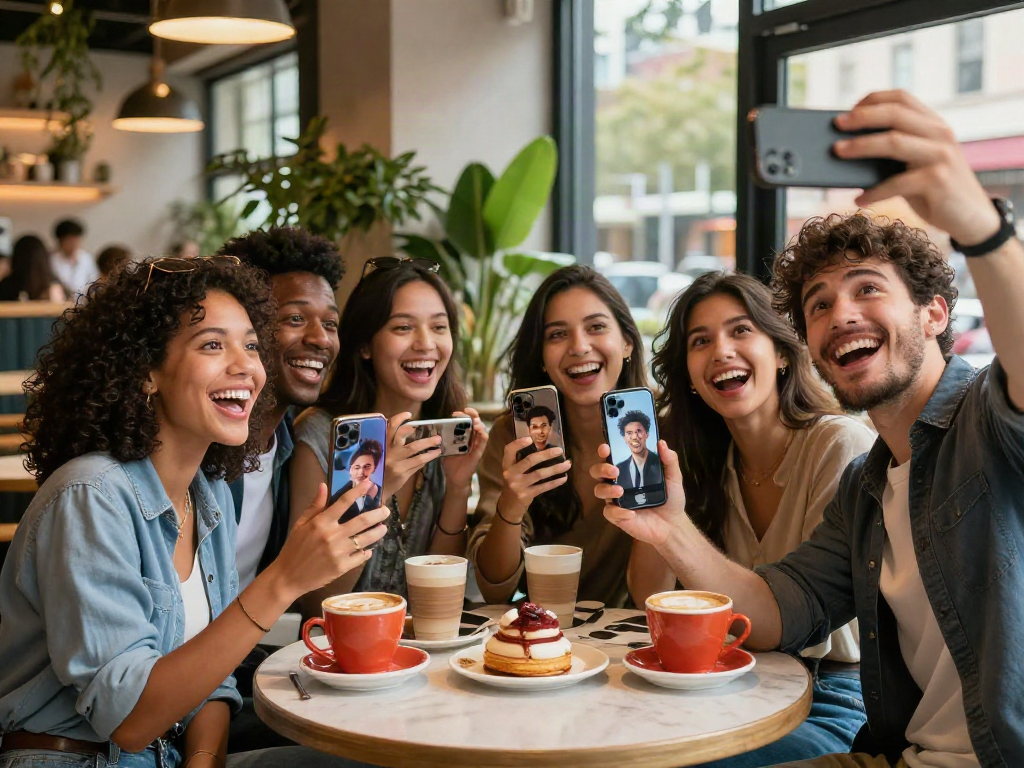
The rise of social media platforms and interactive apps has played a significant role in popularizing celebrity look-alike tools. These applications have transcended traditional entertainment by allowing users to engage directly with technology—uploading photos and receiving instant feedback in the form of celebrity matches. The widespread appeal of such tools caters to a desire for playful self-expression and comparison, making them a favorite among users of all ages.
The Technology Behind "Celebrity I Look Like" Apps
At the heart of these celebrity matching applications lies sophisticated AI and face recognition technology. These systems analyze facial features, including the structure of the eyes, nose, and mouth, and compare them against vast databases of celebrity images. Although results can range from strikingly accurate to amusingly far-fetched, the underlying technology continues to evolve, leading to more precise matches with each iteration.
The Psychology Behind Celebrity Comparisons
The urge to compare ourselves to celebrities is deeply rooted in human psychology. This desire can be attributed to various factors, including the need for social comparison and self-esteem enhancement. By identifying with a celebrity, individuals may feel a sense of belonging and connection, even if the resemblance is superficial.
Why Do People Want to Look Like Celebrities?
Many individuals aspire to emulate the lifestyles, fashion choices, and physical attributes of celebrities. This aspiration can be driven by cultural ideals around beauty and success, often magnified by media portrayals of celebrity life. The pursuit of a certain look or identity can boost self-esteem, allowing people to envision themselves as part of a glamorous world.
The Impact of Social Media on Self-Perception
Social media platforms have revolutionized the way we perceive ourselves in comparison to others. Platforms like Instagram and TikTok encourage users to curate their images, amplifying the importance of appearance. These portrayals can lead to unrealistic beauty standards, making celebrity look-alike tools even more appealing as people seek validation and recognition from their social circles.
How Celebrity Culture Shapes Modern Identity
Celebrity culture significantly influences individual identity formation. By aligning themselves with admired figures, people may construct their own self-concept based on perceived similarities. This phenomenon can lead to a myriad of outcomes, including positive self-image reinforcement or detrimental self-criticism when the desired resemblance is not affirmed.
How to Use Celebrity Look-Alike Apps Effectively
As the technology behind celebrity look-alike apps continues to advance, understanding how to use these tools effectively can enhance your experience and the accuracy of results. This section will provide you with practical steps to maximize the potential of such applications.
Steps to Upload Your Photo for Best Results
To achieve the most accurate results, follow these steps when uploading your photo:
- Use a clear, high-resolution image where your face is directly facing the camera.
- Ensure good lighting conditions so that your facial features are well-lit.
- Avoid obstructions such as sunglasses, hats, or heavy makeup that could obscure your features.
Understanding Results and Matching Algorithms
When you receive your results, it's essential to understand the algorithms that drive these comparisons. Many apps utilize deep learning and artificial intelligence to assess facial landmarks and ratios. This means that while you might see a match with a celebrity, the algorithm is interpreting various aspects of your face in relation to the database it references.
Common Pitfalls to Avoid When Using These Apps
Despite the fun and engaging nature of celebrity look-alike apps, there are certain pitfalls to be mindful of:
- Don't take results too seriously, as they are often generated on a statistical basis rather than a precise scientific measure.
- Be cautious of privacy policies; ensure your data is handled responsibly by the app developers.
- Avoid posting sensitive images online, as results can be unpredictable.
Ethical Considerations and Privacy Issues
As technology evolves, so do the ethical implications surrounding the use of face recognition tools in celebrity look-alike applications. This section examines some of the pressing concerns related to privacy and ethics within this space.
Understanding Data Privacy in Face Recognition Tools
With biometric data serving as a key component in face recognition systems, understanding data privacy is paramount. Users need to be aware of how their data is collected, stored, and possibly shared with third parties. Transparent privacy policies are essential components of any trustworthy application.
The Ethics of Celebrity Image Comparison
Comparing oneself to a celebrity raises ethical questions related to body image and self-esteem. The potential for negative impact on self-worth is significant, particularly among vulnerable populations, such as adolescents. Companies should consider these implications seriously when designing their apps.
How Companies Handle User Data in 2026
By 2026, advances in technology and increased scrutiny over data privacy laws will likely influence how companies manage user information. It is expected that reputable apps will implement stricter privacy measures and offer users more control over their data, ensuring that ethical practices are prioritized.
The Future of Celebrity Look-Alike Technology
The evolution of celebrity look-alike technology is poised to be dynamic and innovative over the coming years. This section delves into expected trends and potential impacts on society.
Emerging Trends in AI and Facial Recognition
As artificial intelligence continues to improve, so too will the accuracy and sophistication of facial recognition technology. Upcoming trends may include enhanced user personalization, allowing applications to consider factors like style and age in addition to physical resemblance when suggesting celebrity matches.
How These Apps Will Evolve by 2026
By 2026, we can anticipate a more seamless integration of augmented reality (AR) with celebrity look-alike apps, enabling users to virtually "try on" celebrity hairstyles or outfits. This crossover between social media and entertainment will likely generate new engagement opportunities.
Potential Impact on Entertainment and Social Media
The integration of celebrity look-alike technology into social media platforms could redefine content creation and consumption. We may witness a growing trend where users create content inspired by their celebrity matches, further intertwining personal identity with public persona.