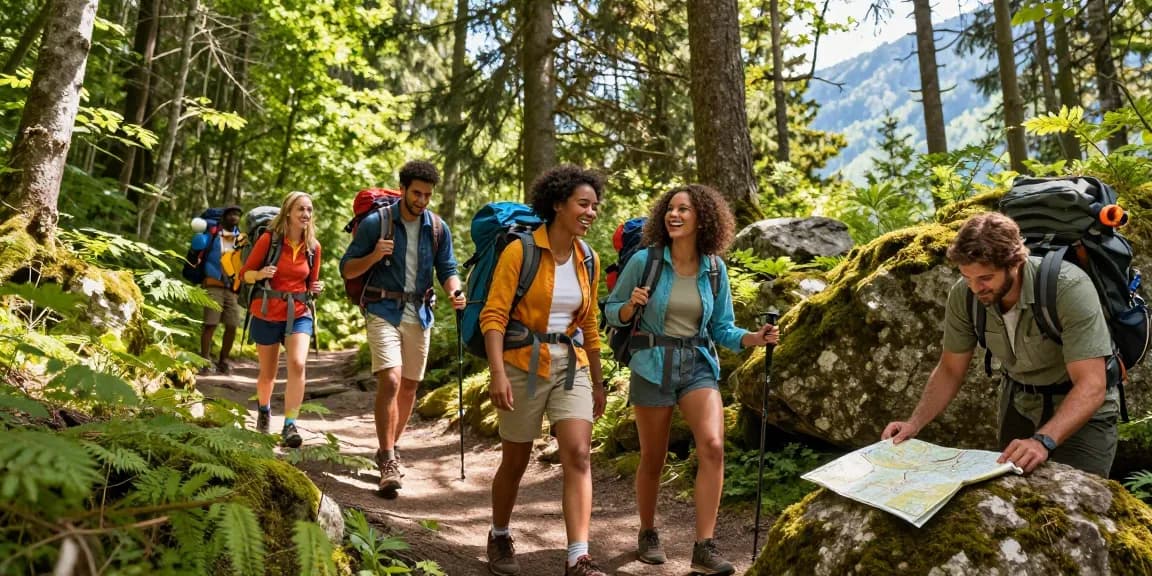
The Rise of Adventure Tourism in 2026
As we move into 2026, adventure tourism is witnessing a significant surge in popularity, driven by a growing appetite for unique and immersive travel experiences. Today's travelers are not just looking for relaxation; they crave adventure, connection with nature, and the thrill of exploring uncharted territories. This shift in consumer behavior is transforming the travel landscape, demanding that companies within the industry innovate and respond to these evolving preferences. For those seeking inspiration and guidance in navigating this exciting realm of adventure, lucky77 offers valuable insights and resources.
Understanding Adventure Tourism Trends
Adventure tourism encompasses a wide variety of activities, from hiking and trekking to extreme sports such as rock climbing and white-water rafting. Current trends indicate a marked preference for experiential travel, where the journey is as important as the destination. More travelers are seeking off-the-beaten-path experiences that not only challenge them physically but also enrich their understanding of different cultures and environments.
In 2026, notable trends include a heightened focus on safety and sustainability, reflecting an awareness of the environmental impacts associated with tourism. Travelers are increasingly inclined to choose eco-friendly options, such as lodges that prioritize sustainability and tour operators that implement responsible travel practices. Moreover, adventure tourism is becoming more inclusive, welcoming individuals of all ages and fitness levels into diverse activities.
Key Drivers Behind Increased Interest
Several factors contribute to the rising interest in adventure tourism. The advent of social media has played a pivotal role in shaping travel choices, allowing individuals to share their experiences and inspire others. Witnessing breathtaking landscapes and thrilling activities online encourages prospective travelers to seek similar experiences for themselves.
Additionally, the COVID-19 pandemic has led to a shift in priorities, with many individuals reevaluating their lifestyles and seeking more meaningful experiences. Adventure tourism provides a perfect avenue for this change, offering a sense of freedom and the opportunity to reconnect with nature. Lastly, the rise of technology has made travel planning easier, enabling enthusiasts to discover and book adventure activities with just a few clicks.
Common Misconceptions About Adventure Travel
Despite its growing popularity, adventure tourism is often marred by misconceptions that can deter potential travelers. One of the most common beliefs is that adventure travel is only for the exceptionally fit or experienced. In reality, many tour operators offer various options tailored to different skill levels, ensuring accessibility for everyone.
Another misconception is that adventure travel is synonymous with danger. While some activities involve risk, reputable companies prioritize safety, conducting thorough risk assessments and providing necessary training and equipment. It's crucial for travelers to choose established operators who adhere to safety protocols to mitigate risks effectively.
Engaging the Lucky77 Audience: Target Market Insights
Understanding the audience is critical for any adventure tourism business looking to thrive in today's competitive market. The lucky77 audience primarily consists of adventure seekers who value authenticity and impactful travel experiences.
Demographics and Psychographics of Adventure Seekers
The target demographic for adventure tourism is diverse, spanning various age groups and backgrounds. Generally, adventure seekers fall between the ages of 25 and 45, with a significant portion being millennials and Generation Z. This group prioritizes personal growth, social connection, and sustainability, which aligns with the values promoted by adventure tourism.
Psychographically, adventure travelers are often characterized by their willingness to embrace challenges and their desire for exploration. They place high importance on experiences over material possessions, seeking opportunities that foster personal growth and connection with nature.
Identifying User Intent in Adventure Travel
When planning their trips, adventure travelers typically exhibit clear intents, which can be categorized into several areas. Many are looking to push their limits through physical challenges, while others may seek educational experiences, such as cultural immersion or learning new skills.
Understanding user intent is essential for tailoring marketing strategies and offerings. Companies that can effectively identify and meet these needs will build stronger connections with their audience and encourage repeat visits.
Challenges Faced by Today's Outdoor Enthusiasts
While adventure tourism offers numerous benefits, participants often face challenges that can impact their experiences. Access to remote locations can pose logistical hurdles, including transportation and accommodation. Weather conditions can also significantly affect itineraries, leading to cancellations or modifications.
Moreover, the need for proper planning is paramount. Many adventurers are unprepared for the physical demands of specific activities, leading to injuries or discomfort. As such, comprehensive preparation, including physical training and equipment checks, is vital for ensuring a safe and enjoyable adventure.
Best Practices for Successful Adventure Travel Planning
Crafting a memorable adventure travel experience requires careful planning and attention to detail. Below are some best practices that can help make the most of any adventure trip.
Essential Steps for Crafting Memorable Itineraries
When planning an adventure trip, start by defining the objectives of the journey. Are you looking for adrenaline-pumping activities, serene nature walks, or cultural immersion? Based on these goals, create a flexible itinerary that allows for spontaneity while covering essential activities.
Incorporating local experiences can vastly enhance the adventure. Choose tours that support local businesses and livelihoods, allowing for deeper cultural interactions. It's also wise to include downtime in your schedule to rest and absorb the surroundings rather than racing from one activity to another.
Leveraging Technology in Travel Experiences
Technology has revolutionized the way travelers plan and experience their adventures. From mobile apps that assist with itinerary planning to social media platforms that help document experiences in real time, technology can enhance the overall adventure travel experience.
Using GPS devices, mapping apps, and adventure-specific platforms can help adventurers navigate unfamiliar territories safely. Virtual reality experiences and immersive applications can also offer previews of anticipated activities, building excitement before the trip even begins.
Safety Protocols and Best Practices
Safety should always be a top priority in adventure tourism. It's essential to conduct risk assessments for activities and be aware of environmental conditions that may change rapidly. Wearing appropriate gear and following guidelines is paramount for minimizing risks, especially in high-stakes activities such as white-water rafting or mountaineering.
Furthermore, informing participants of safety protocols before embarking on any adventure can lead to better decisions in the field. Proper training, awareness of emergency procedures, and robust communication channels can significantly enhance safety during adventures.
Real-World Case Studies of Successful Adventure Trips
Analyzing real-world examples of adventure trips can provide valuable insights for future travelers. Here, we look at several case studies that highlight unique experiences and valuable lessons from the adventure tourism sector.
Highlighting Unique Adventure Experiences
One illustrative case is the rise of multi-day trek tours in lesser-known regions, such as the Andes or the Himalayas. These tours not only offer breathtaking landscapes but also foster connections with local communities, enhancing the overall experience. Many travelers return from such trips with a newfound appreciation for cultural diversity and environmental stewardship.
By comparison, thrill-seekers have increasingly gravitated towards extreme sports, such as BASE jumping and kite surfing. These activities, often showcased on social media, inspire growing numbers of participants, but they also underline the importance of choosing seasoned operators who prioritize safety.
Impact of Social Media on Travel Choices
Social media platforms have transformed how adventure experiences are marketed and perceived. Visual storytelling, primarily through platforms like Instagram and TikTok, has become a crucial part of travel planning. Potential travelers often reference these platforms for recommendations, tips, and to scope out potential destinations.
Hashtags associated with adventure tourism, such as #AdventureAwaits or #ExploreTheWorld, create communities where enthusiasts share tips and inspire others through their unique experiences. Companies that are proficient in leveraging social media will naturally attract a clientele eager for adventure.
Lessons Learned from Top Adventure Travel Brands
Top adventure travel brands have sustained their success by emphasizing customer experience, safety, and sustainability. For example, companies that engage travelers post-trip through surveys and feedback loops can refine their offerings and improve client satisfaction over time.
Furthermore, building brand loyalty through customer-centric initiatives, such as loyalty programs or exclusive offers for repeat travelers, enables these brands to maintain a strong market presence. Listening to and responding to the desires of adventure seekers will position brands favorably in an increasing competitive landscape.
Future Predictions for Adventure Travel Beyond 2026
The adventure tourism landscape is poised for continued evolution beyond 2026, as new trends emerge and traveler expectations evolve. Here’s a look at what the future may hold for adventure seekers.
Emerging Trends in Outdoor Activities
As environmental awareness continues to grow, eco-adventure tourism is expected to flourish. This trend emphasizes low-impact travel methods, conservation efforts, and community engagement, reflecting a broader commitment to sustainability. Adventurers may increasingly seek experiences that allow them to participate in conservation activities, such as wildlife monitoring or habitat restoration, while enjoying the great outdoors.
Moreover, adventure travel may shift towards a greater emphasis on inner peace and well-being, with activities that combine physical challenge with mindfulness, such as yoga retreats in nature or meditation hikes.
Innovation in Travel Gear and Technology
The advancement of travel gear and technology will play a crucial role in enhancing adventure experiences. Expect to see innovations, such as smart gear that monitors health metrics, lightweight and sustainable equipment for diverse terrains, and augmented reality applications that enrich outdoor exploration.
Such innovations will not only improve the safety and enjoyment of outdoor adventures but will also encourage participation among individuals who may have previously been hesitant to embark on physically demanding activities.
Environmental Considerations and Sustainable Practices
As the industry evolves, the push for sustainable practices will intensify. Companies that prioritize responsible tourism, such as minimizing waste and supporting local economies, will not only attract environmentally-conscious travelers but will also pave the way for long-term growth.
Moreover, ongoing education on environmental stewardship will become integral to adventure travel, ensuring participants understand their impact and responsibility to protect the places they explore.
What is the best time to book adventure trips?
The optimal time to book adventure trips often depends on the destination and the activities involved. Generally, booking 3-6 months in advance allows for securing the best rates and availability, especially for popular destinations. However, for last-minute deals, keep an eye on seasonal sales and promotions from travel companies.
How to prepare for your first hiking adventure?
Preparation for a first hiking adventure begins with selecting a trail suitable for your fitness level. Research the terrain, check weather conditions, and invest in quality gear. It’s also wise to train beforehand, ensuring you’re physically ready for the hike ahead.
What are the essential gear for adventure travelers?
Key gear for adventure travelers includes moisture-wicking clothing, durable footwear, a reliable backpack, first-aid supplies, and navigation aids such as GPS devices. Additionally, consider climate-specific gear, such as waterproof jackets for rainy weather or insulated clothing for colder climates.
How can I stay safe while exploring nature?
Staying safe while exploring nature involves thorough preparation and understanding your surroundings. Always inform someone of your plans, carry essential safety gear, and be aware of your limits. Moreover, familiarize yourself with local wildlife and environmental hazards that may pose risks.
What are the top destinations for adventure tourism in 2026?
Some of the top destinations for adventure tourism in 2026 include New Zealand for its stunning landscapes and adventure sports, Costa Rica for eco-tourism, and Iceland for unique geological features. As travelers look for memorable experiences, these destinations are likely to remain at the forefront of adventure travel.