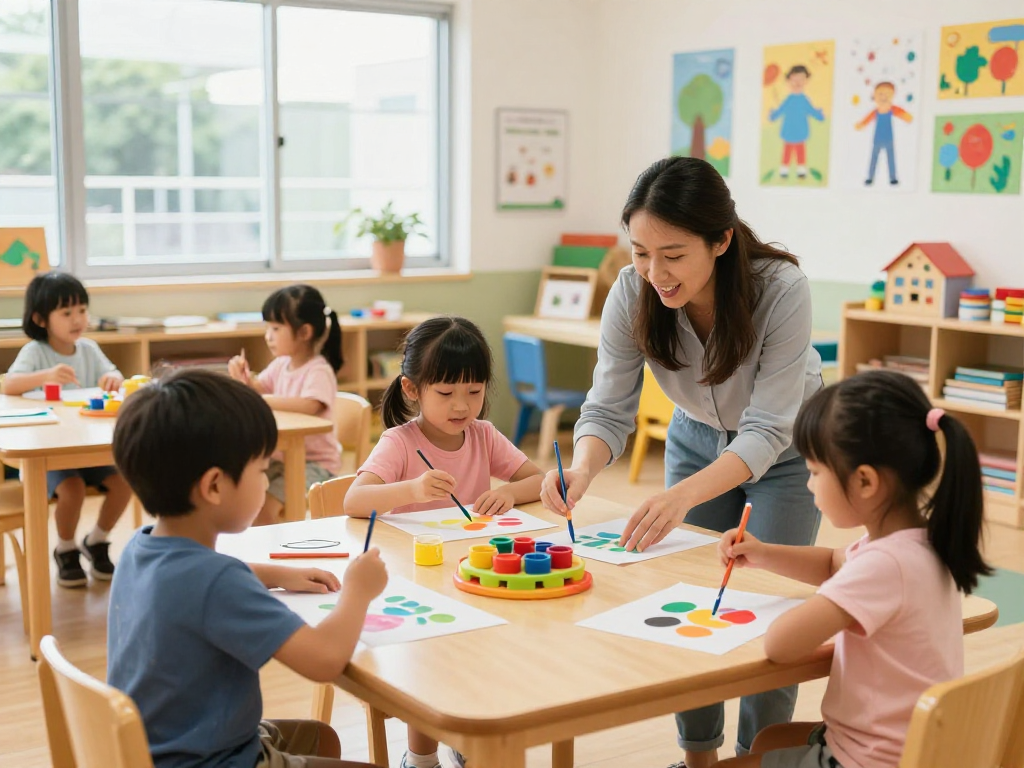
The Importance of Inquiry-Based Learning in International Kindergartens
In today’s rapidly evolving educational landscape, inquiry-based learning has emerged as a pivotal pedagogical approach, especially within international kindergartens. This method aligns with the natural curiosity of children, allowing them to explore their surroundings and ask questions that lead to deeper understanding and engagement. Within the context of international kindergarten Singapore, inquiry-based learning not only nurtures academic growth but also fosters vital life skills.
What is Inquiry-Based Learning?
Inquiry-based learning is an educational strategy centered on questioning, critical thinking, and exploration. Children are encouraged to ask questions and seek answers through hands-on experiences and interactive activities. This approach contrasts sharply with traditional rote learning methods that often prioritize memorization over understanding. By engaging in inquiry, children develop skills that are essential for lifelong learning.
Benefits for Young Learners
The benefits of inquiry-based learning in early childhood education are manifold. Firstly, it enhances critical thinking skills as children learn to analyze situations and solve problems. Secondly, it boosts creativity, allowing children to explore their imaginations while they engage with various subjects. Lastly, it encourages collaboration, as many inquiry-based activities involve group work, teaching children how to communicate and work effectively with their peers.
Implementing Inquiry in the Classroom
To successfully implement inquiry-based learning, educators must create an environment that stimulates curiosity. This includes providing age-appropriate materials, fostering open-ended questions, and cultivating a classroom atmosphere that celebrates exploration and discovery. Teachers play a critical role in guiding children’s inquiries, ensuring they remain engaged while exploring their interests.
Holistic Development Approaches in International Kindergarten Singapore
Holistic development is essential for nurturing well-rounded individuals. In international kindergartens like Pegasus International Preschool, a multi-faceted approach is adopted to foster the growth of mind, body, and spirit. This methodology allows for the development of emotional, social, and cognitive skills, ensuring that children are prepared for the complexities of the modern world.
Fostering Mind, Body, and Spirit
Holistic development involves nurturing various aspects of a child's growth. Mental stimulation through academic learning is balanced with physical activity and emotional support. Activities such as yoga, mindfulness, and physical education are incorporated into the curriculum, promoting overall health and well-being.
Encouraging Social and Emotional Growth
Understanding social interactions and emotional regulation are critical components of early education. International kindergartens emphasize social skills through group activities that foster teamwork and cooperation. Emotional growth is supported through discussions about feelings, encouraging children to articulate their emotions and understand those of others.
Integrating Parental Engagement
Parental involvement is a cornerstone of holistic development. When parents actively participate in their children's learning, it enhances the educational experience and strengthens the home-school connection. Schools like Pegasus International Preschool encourage parents to engage in school activities, fostering a community that supports children's growth both at school and at home.
Cultural Diversity and Language Exposure
In a globalized world, cultural awareness and language skills are more important than ever. International kindergartens offer a unique platform for children to engage with diverse cultures and languages, preparing them for a global future. This exposure nurtures respect for differences and promotes inclusivity among young learners.
Trilingual Education Initiatives
Offering a trilingual education—typically in English, Mandarin, and Japanese—equips children with valuable language skills that can enhance their cognitive development and future opportunities. This approach not only enriches their academic experience but also broadens their cultural perspectives.
Celebrating Cultural Differences
International kindergartens celebrate cultural diversity through events, festivals, and activities that highlight various traditions and practices. Such celebrations teach children about respect and appreciation for differences, fostering a sense of global citizenship from an early age.
Preparing for a Global Future
As the world becomes increasingly interconnected, children who have experienced a diverse, multicultural education will be better prepared for the future. They will possess the skills necessary to navigate different cultural contexts and foster relationships in a global society.
Best Practices for Choosing an International Kindergarten
When selecting an international kindergarten, parents must consider various factors to ensure their child receives a high-quality education. These considerations will serve not only to meet educational standards but also to match the child’s individual needs.
Key Considerations for Parents
- Curriculum: Look for a curriculum that promotes inquiry-based learning and holistic development.
- Teacher Qualifications: Investigate the educators’ backgrounds and their approach to child development.
- Class Size: Smaller class sizes often lead to better personalized attention and support for each child.
Evaluating Curriculum and Staff Qualifications
It is essential for parents to assess the curriculum offered by the kindergarten, ensuring it aligns with their educational philosophies. Additionally, understanding the qualifications and experience of the teaching staff can reassure parents about the level of care and education their children will receive.
Understanding Environment and Facilities
The physical environment of a kindergarten plays a significant role in a child’s ability to learn. Look for schools that provide safe, engaging, and well-equipped classrooms and play areas that inspire exploration and creativity.
Future Trends in Early Childhood Education for 2026
As we look forward to 2026, several trends are likely to shape early childhood education. These trends emphasize the need for adaptability in teaching methods and curriculum to prepare young learners for a rapidly changing world.
Technology Integration in Learning
With the increasing prevalence of technology, integrating digital tools into early childhood classrooms is becoming more common. This allows children to learn in ways that resonate with their experiences outside of school, fostering motivation and engagement.
Emphasis on Lifelong Learning Skills
Educational approaches will increasingly focus on teaching children how to learn, rather than what to learn. Lifelong learning skills—such as critical thinking, adaptability, and collaboration—will be essential components of early education strategies.
Predictions for Curriculum Evolution
As educational paradigms shift, we can anticipate a more localized curriculum that reflects the specific needs and cultures of the community. This evolution will prioritize inquiry-driven, project-based learning that connects students with real-world issues and challenges.
How Does Holistic Development Help?
Holistic development lays a foundation for healthy emotional, social, and cognitive growth. Children who receive a holistic education are more likely to develop into adaptive, empathetic, and capable adults who can navigate the complexities of life effectively.
What Should Parents Look for in an International Kindergarten?
Parents should prioritize finding a kindergarten that fosters inquiry-based learning, encourages cultural diversity, and promotes a nurturing environment. Engaging with staff and current families can provide insight into the school's culture and philosophy.
Are International Kindergartens Suitable for Local Families?
Many local families can deeply benefit from the diverse and enriched educational experiences provided by international kindergartens. These institutions typically emphasize multiculturalism and inclusivity, which can be valuable in a globally connected community.
What Benefits Does a Trilingual Environment Offer?
A trilingual environment enhances cognitive flexibility, boosts creativity, and allows children to navigate diverse social settings. It also prepares them for global citizenship by giving them the tools to communicate across cultures.
How Can Parents Support Inquiry-Based Learning at Home?
Parents can support inquiry-based learning at home by encouraging curiosity and exploration. This can be achieved by providing materials for creative projects, engaging in discussions that promote critical thinking, and allowing children to explore topics of interest deeply.
What Are the Admission Requirements for International Kindergartens?
Admission requirements can vary by institution, but typically include age-appropriate applications, interviews, and sometimes assessments. It is advisable for parents to consult with the specific kindergarten for detailed information.