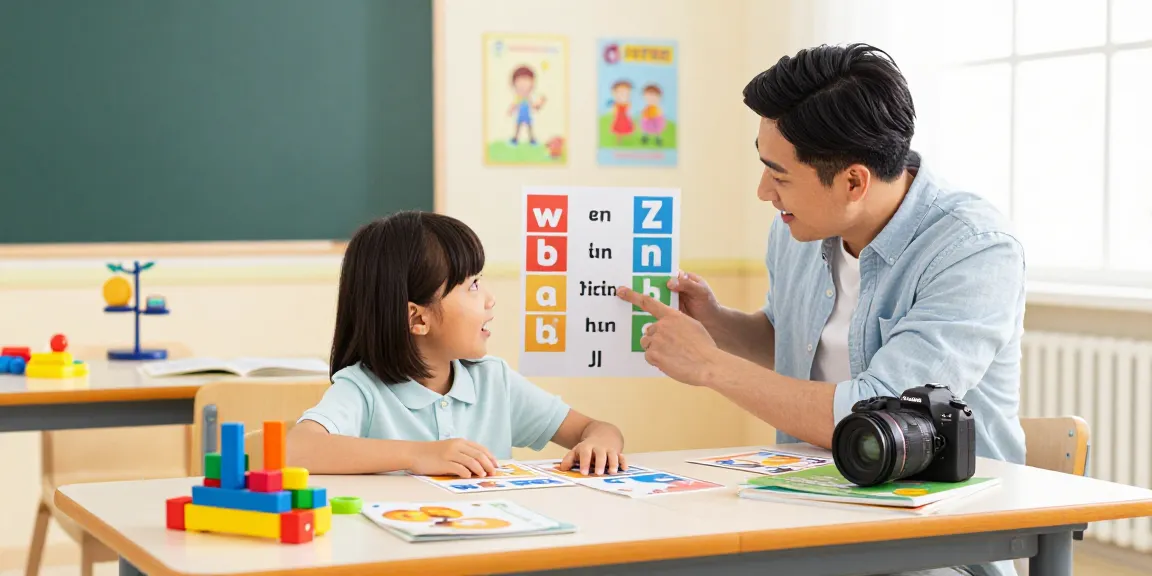
Understanding the Foundations of English Learning
In today’s globalized world, the ability to communicate effectively in English is an invaluable skill, particularly for children. Introducing kids to English classes for children at an early age can lay the groundwork for their future academic and social success. These classes, tailored for various age groups and learning abilities, aim to spark curiosity and foster a lifelong love for learning. Let’s dive into the critical components that shape the foundation of English learning for young learners.
What are English Classes for Children?
English classes for children are specialized educational sessions designed to teach the English language to young learners, typically ranging from ages 4 to 14. These classes can cover various skills, including reading, writing, listening, and speaking. They may emphasize different aspects of language acquisition based on the child’s age and proficiency level.
The Importance of Early Language Acquisition
Research consistently shows that early exposure to a new language enhances cognitive development, boosts academic performance, and improves social skills. Children are particularly adept at picking up new languages before they reach adolescence due to their brain's plasticity. By enrolling your child in English classes at an early age, you can help them develop a strong linguistic foundation that will benefit them throughout their education and beyond.
Different Learning Methods Used in English Classes
English classes for children often employ diverse teaching methodologies to cater to different learning styles. Popular approaches include:
- Immersion Method: This approach involves surrounding students with the target language in a natural context, encouraging them to use English in practical situations.
- Phonics-Based Learning: This method focuses on teaching children the relationships between sounds and letters, critical for reading and writing.
- Task-Based Learning: Students engage in practical tasks that require the use of English, which helps them learn the language in a meaningful context.
Choosing the Right English Classes for Your Child
Selecting the right English classes is crucial in ensuring that your child enjoys the learning process and achieves their language goals. Here are essential factors to consider when making your choice:
Factors to Consider When Selecting a Tutor
When choosing a tutor for your child’s English classes, consider their qualifications, experience, and teaching style. Look for tutors who are certified in teaching English as a second language and have a proven track record of working with children. A tutor who can adapt their teaching methods to suit your child's unique needs will create a more productive learning environment.
Assessing Your Child’s Learning Style
Every child has a distinct learning style, whether auditory, visual, or kinesthetic. Understanding your child's preferred method of learning can help you choose a tutor who aligns with their style. For instance, if your child learns best through play, a tutor who incorporates games into their lessons will be more effective.
Comparing Online vs. In-Person Tutoring Options
Both online and in-person tutoring have their benefits. Online tutoring, for example, offers flexibility and convenience, allowing students to learn from the comfort of their homes. In-person tutoring may provide a more immersive experience, with direct interaction facilitating relationship-building. Assess your child's preferences and learning needs to determine the best approach.
Engaging Learning Techniques and Tools
To maintain interest and boost language skills, effective English classes utilize a variety of engaging techniques and tools. Here are some methods that have proven successful:
Interactive Games to Enhance Language Skills
Games that involve vocabulary building, sentence structure, and grammar can make learning fun and interactive. Incorporating games into English lessons not only captures children's attention but also reinforces their understanding in an enjoyable manner.
Utilizing Multimedia Resources for Effective Learning
Videos, songs, and interactive applications can enhance the learning experience by catering to different senses. These multimedia resources can help in illustrating concepts that may be challenging for children to grasp through traditional methods.
Best Practices for Keeping Kids Motivated
To keep children motivated in their English learning journey, it’s essential to create a positive and supportive environment. Celebrate small milestones, encourage questions, and foster an atmosphere where mistakes are seen as part of the learning process. Additionally, personalizing the content to align with your child's interests can further enhance their engagement.
Monitoring Progress and Adjusting Learning Plans
Regularly assessing your child’s progress is vital to ensure they are on track to meet their language goals. Here are some strategies to consider:
How to Set Realistic Learning Goals
Establishing clear and attainable goals helps provide direction for both the tutor and the student. Make sure these goals are specific, measurable, achievable, relevant, and time-bound (SMART). For example, instead of stating, "Improve vocabulary," a more specific goal would be, "Learn 10 new words every week." This structured approach enables effective tracking of progress.
Evaluating Performance and Engagement
Observe your child's participation, enthusiasm, and effort during lessons. Frequent check-ins with the tutor can also provide insights into your child's engagement and areas that may need additional focus. If engagement declines or progress stalls, it may be time to reevaluate the teaching methods or even consider switching tutors.
When to Change Tutors or Methodologies
If your child is not responding well to their current learning plan, it may be beneficial to explore alternative tutors or educational methodologies. Pay attention to signs of frustration or disinterest, and consult with the tutor about potential adjustments to the approach. Sometimes, a shift in teaching style or a fresh perspective can reignite a child's passion for learning.
Future Trends in English Education for Children
As we look toward the future, several trends are emerging in English education, particularly for young learners, which may shape the way children acquire language skills:
Incorporating Technology in English Classes
The integration of technology into English language teaching is expected to grow. Tools like AI-driven language apps, virtual reality environments, and gamified learning platforms can tailor lessons to individual learner needs and enhance interaction, making language learning more engaging than ever.
Emerging Language Learning Resources for 2026
Innovative resources such as adaptive learning platforms and interactive storytelling are becoming increasingly popular. These tools can help children learn English in an engaging way, optimizing their progress and retention.
Understanding the Evolving Needs of Young Learners
As educational philosophies continue to evolve, an emphasis on personalized and student-centered learning experiences will become more pronounced. Instructors will need to be adaptable, continuously assessing their students' needs and preferences to offer customized instruction that resonates with young learners.
What should I expect during a trial lesson?
During a trial lesson, expect the tutor to assess your child’s current level of English proficiency, discuss individual goals, and outline a personalized learning plan. This initial session serves as a foundation for tailoring future lessons to ensure they meet your child's unique needs.
How can I support my child’s learning at home?
You can play a significant role in your child's language acquisition by creating an English-rich environment at home. Encourage reading, watch English shows together, and engage in conversations that require them to apply their language skills.
Are online English classes effective for young children?
Research indicates that online English classes can be as effective as in-person sessions, particularly when engaging and interactive teaching methods are employed. Many children thrive in an online learning environment, as it often provides a relaxed atmosphere conducive to language learning.
What resources are available for supplemental learning?
Numerous resources support supplemental English learning, including apps, podcasts, children's books, and online games. These materials can enhance the language skills your child acquires in formal classes.
How do I know if my child is progressing in their English skills?
Monitoring your child’s progress involves both qualitative and quantitative assessments. Keep track of their confidence in speaking, reading fluency, and comprehension skills. Frequent conversations with their tutor will also provide insights into areas of growth and improvement.