Discovering Chinatown Bangkok's Rich Culture
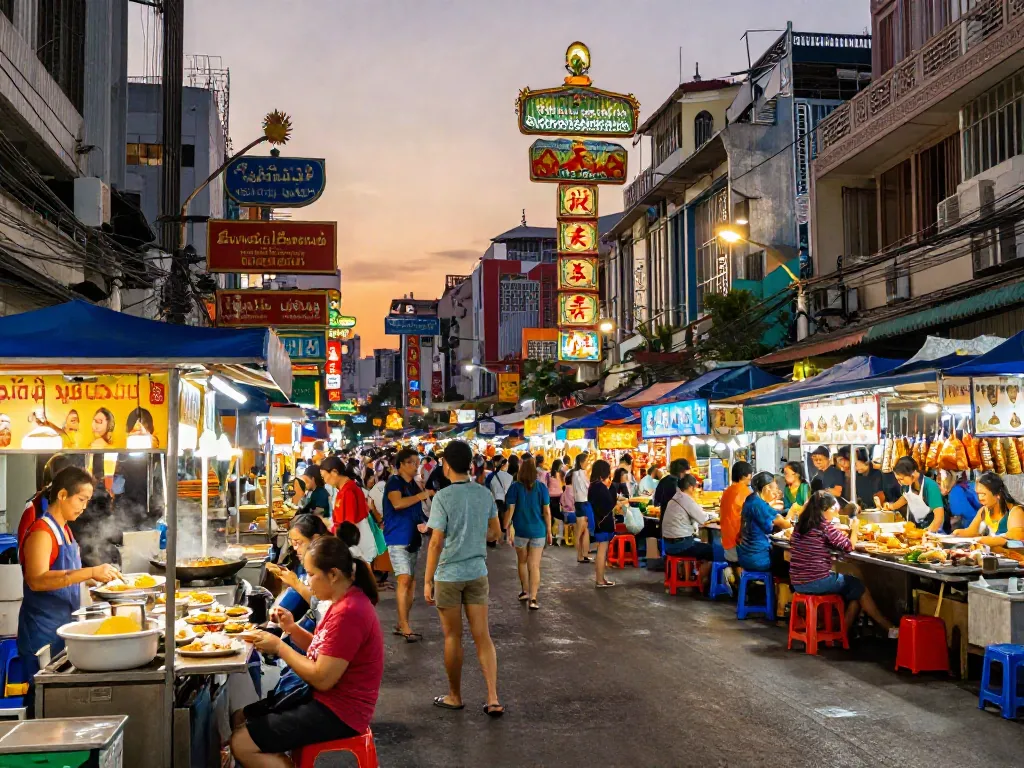
Stepping into Chinatown Bangkok is like entering a vibrant tapestry of culture, history, and culinary delights. The moment you set foot on Yaowarat Road, the heart of this dynamic community, you are enveloped in the scents of sizzling street food, the sounds of lively chatter, and the sights of traditional Chinese architecture intermingled with the bustling energy of Thai life. This is a neighborhood that pulses with life, heritage, and charm, inviting you to experience its myriad wonders. From exploring ancient temples to indulging in delectable dishes, Chinatown offers an abundance of thrills that will ignite your passion for travel and discovery. When planning your visit, don't hesitate to consult additional resources for in-depth insights about chinatown bangkok.
Historical Background and Significance
Founded in 1782, Chinatown is one of the oldest and most significant areas of Bangkok. The district developed when Chinese immigrants settled in the city, contributing to a rich cultural mosaic that has shaped the city’s identity. Today, Bangkok's Chinatown stands as a testament to the enduring legacy of Chinese culture, complete with temples, shrines, and bustling markets that capture the essence of a community proud of its heritage. Regular festivals, especially during the Chinese New Year, draw crowds from all over the city, showcasing traditional parades, lion dances, and an explosion of color and sound unlike any other.
Local Culture and Traditions
The essence of Chinatown Bangkok lies in its vibrant culture, which marries traditional Chinese customs with Thai influences. You will notice this melding in everything from the architecture of the buildings to the dishes served in every alley. Local traditions are palpable; the community values familial ties, and many shops are run by generations of the same family. The atmosphere is infused with respect for ancestors, often observed in the many altars and shrines that line the streets. Engaging with local residents and participating in festivals will deepen your appreciation for this area.
Festivals and Events in Chinatown
Chinatown comes alive during annual celebrations. The Chinese New Year is undoubtedly the most significant event, where streets burst with spectacular displays, including dragon dances, fireworks, and endless food stalls offering traditional dishes like dumplings and spring rolls. Other notable occasions include the Vegetarian Festival, celebrated with bright colors, parades, and an array of sumptuous vegan dishes, making it a must-visit time for food enthusiasts and cultural explorers alike.
Culinary Adventures: What to Eat in Chinatown
Food is the lifeblood of Chinatown Bangkok, with every street corner promising something extraordinary. From $1 street food dishes to elegant dining experiences, the culinary offerings are as diverse as they are delicious. Dive into the local flavors by sampling fragrant bowls of noodle soup, crispy fried snacks, and sweet desserts that have been perfected over generations. Your culinary journey in Chinatown is one of the highlights of any visit, and you will find it impossible to resist the temptation of these mouthwatering treats.
Street Food Must-Try: From Dim Sum to Noodles
No trip to Chinatown is complete without indulging in street food. The area is renowned for its dim sum, particularly at places like the Michelin-starred T&K Seafood, where you can enjoy fresh seafood dishes served with a dash of flair. Another must-try is the famous boat noodles, a savory soup typically served in small portions but packed with flavor, often accompanied by a side of crispy pork skin. Each bite tells a story of the rich culinary tradition that thrives in every corner of the bustling streets.
Best Restaurants and Hidden Gems
While street food is the star of Chinatown, the region also boasts a selection of exceptional restaurants where you can dine in style. The legendary Hua Seng Hong is famous for its roasted duck and traditional Chinese soups. For a hidden gem, check out the small noodle shops tucked away in the alleys, which often serve dishes cherished by locals. These eateries may appear unassuming but offer some of the best food experiences, where you can enjoy authentic flavors in charming settings.
Food Tours and Unique Experiences
For those looking to dive deeper into the culinary world of Chinatown, consider joining a food tour. Guided by local experts, these tours allow you to sample a variety of dishes while learning about the history and culture behind them. Whether you're savoring sweet mango sticky rice or exploring the intricate details of local herb markets, food tours can transform your understanding of this vibrant neighborhood and its rich culinary heritage.
Shopping in Chinatown: Souvenirs and Local Goods
Chinatown is not just a haven for food lovers; it also offers a unique shopping experience, providing a wealth of opportunities to find souvenirs and local goods. The bustling markets and shops promise endless hours of exploration, where you can find everything from traditional Chinese medicinal herbs to handmade crafts that capture the artistic flair of the community.
Markets and Shopping Streets to Explore
Yaowarat Road, the main thoroughfare, is lined with shops and stalls that sell all manner of goods. A must-visit is the Sampeng Lane, a narrow alley known for its textile and wholesale shops, where you can find a myriad of fabrics and trinkets. Don't miss out on the bustling markets, which throng with shoppers and vendors, captivating you with lively negotiations and vibrant displays.
Unique Souvenirs and Crafts to Buy
While shopping in Chinatown, keep an eye out for unique souvenirs, such as handmade Chinese lanterns, authentic herbal remedies, and traditional crafts. A visit to local artisan shops will reveal intricately crafted items that reflect the rich culture of the area. These treasures serve not only as unique keepsakes but also as thoughtful gifts that embody the spirit of your adventures.
Tips for Bargaining and Shopping Smart
Bargaining is a customary practice in Chinatown, and mastering the art can lead to significant savings. Begin by offering a price lower than what you're willing to pay and be prepared for a friendly back-and-forth with the vendor. Remember, it's always best to smile and be polite while negotiating. Shop during weekdays for a more peaceful experience, and don't hesitate to explore less crowded streets where you might discover hidden gems.
Navigating Chinatown: Getting There and Around
Efficient navigation is key to making the most of your Chinatown experience. The neighborhood is mainly pedestrian-friendly, but it can get crowded, especially during peak hours. Understanding transportation options and timing can help you avoid any hassle and truly immerse yourself in this colorful district.
Best Times to Visit Chinatown Bangkok
The best time to visit Chinatown is in the evening, when the area is abuzz with street food vendors setting up their stalls and the streets come alive with energy. Consider visiting during off-peak hours to enjoy a quieter experience, and aim for weekdays if you can. Avoid major public holidays like Chinese New Year if you prefer a less crowded environment.
Transportation Options for Tourists
Several transportation options are available to reach Chinatown. The most convenient way is to take the MRT subway to Hua Lamphong Station, followed by a short taxi or tuk-tuk ride to Yaowarat Road. Alternatively, you can opt for the BTS Skytrain or use local buses for a more immersive travel experience. Be mindful of the traffic and plan accordingly, especially during rush hour.
Safety Tips for Exploring the Area
Chinatown is generally safe for tourists, but typical precautions should still be taken. Keep an eye on your belongings, especially in crowded areas, and opt for well-lit streets during late-night explorations. Engaging with local residents can add to your experience, but always trust your intuition if a situation feels uncomfortable. Understanding local customs and showing respect goes a long way in ensuring a pleasant visit.
Accommodations Near Chinatown Bangkok
Staying near Chinatown can enhance your experience, allowing for easy access to attractions, restaurants, and shopping. From luxury stays to budget-friendly options, there are accommodations to suit every traveler's needs.
Top Hotels and Budget-Friendly Options
For those seeking comfort and style, consider booking a room at the luxurious Shanghai Mansion, a boutique hotel that echoes the charm of old Shanghai. If your budget is tighter, look for guesthouses and hostels scattered throughout Chinatown that offer clean, comfortable accommodations at reasonable rates. Many budget hotels provide free breakfast and easy access to public transport, making them ideal for travelers.
Family-Friendly Stays in Chinatown
If you're traveling with family, choose accommodations that cater to families, such as hotels with spacious family rooms or suites. The River View Guest House, for example, features amenities that appeal to children while offering easy access to local attractions. Additionally, some hotels provide special packages or activities for families, making it convenient for parents looking to entertain their kids.
Luxury Hotels: Experience Bangkok in Style
For a more opulent experience, there are several upscale hotels nearby that provide luxurious amenities and service. Consider the famous Mandarin Oriental or the Anantara Riverside Bangkok Resort, which offers exquisite dining and stunning views of the Chao Phraya River. These hotels not only provide unparalleled comfort but also add an element of finesse to your Bangkok adventure.
FAQs
Is Chinatown in Bangkok worth visiting? Absolutely! Chinatown is a vibrant neighborhood that offers a unique blend of culture, history, shopping, and incredible street food that is worth exploring.
What is the best time to go to Chinatown Bangkok? Evening is the best time to visit when the street food stalls are in full swing, and the atmosphere is lively.
Can Americans eat street food in Thailand? Yes, street food is generally safe to eat in Thailand, including in Chinatown. Look for vendors with high turnover to ensure food freshness.