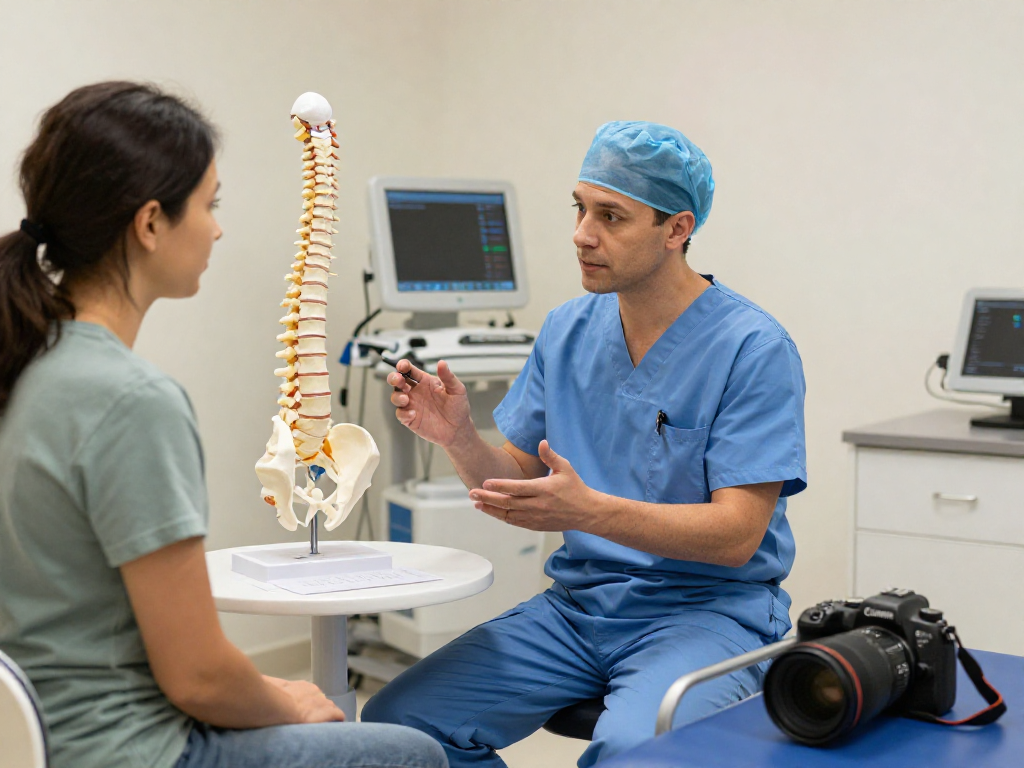
Understanding Bel Fıtığı Ameliyatı
Bel fıtığı ameliyatı, many individuals face debilitating pain and mobility issues, often stemming from a herniated disc in the lower back. This condition, which can lead to pain radiating down the legs, requires a nuanced understanding of when surgical intervention becomes necessary. In this comprehensive article, we will explore the circumstances that warrant surgery, the risks involved, and the innovative techniques available today, particularly focusing on how modern approaches can lead to faster recovery and less postoperative discomfort. When exploring options, Bel fıtığı ameliyatı provides comprehensive insights into the timing and necessity of surgical treatment.
What is Herniated Disc Surgery?
Herniated disc surgery, commonly referred to as bel fıtığı ameliyatı, is a procedure intended to relieve pain caused by a herniated disc. When a disc ruptures or bulges, it can press against nearby nerves, leading to pain, weakness, or numbness in the legs. The surgical options can vary from traditional open surgery to more advanced minimally invasive techniques.
Signs You May Need Surgery
There are specific indicators that surgery may be necessary, including:
- Persistent pain despite conservative treatments
- Significant weakness in the legs
- Loss of bladder or bowel control
- Cauda equina syndrome, characterized by severe nerve compression
When is Bel Fıtığı Ameliyatı Necessary?
Determining the right moment for surgery is crucial for effective treatment. Most practitioners recommend exploring non-surgical options such as physical therapy and medication initially. However, if symptoms persist or worsen, surgical intervention may be warranted.
Indicators for Surgical Treatment
Signs that you may need to consider surgical treatment include:
- Lack of improvement after several weeks of conservative treatment
- Increased severity of pain
- Neurological deficits such as diminished reflexes or muscle strength
Risk Factors and Complications
While surgery can provide significant relief, it does carry certain risks, including:
- Infection at the surgical site
- Blood clots
- Recurrence of disc herniation
- Nerve damage resulting in chronic pain
When to Seek Immediate Care
Patients should seek immediate medical attention if they experience sudden changes in bowel or bladder control, or if they notice weakness in their legs that is getting progressively worse. These symptoms may indicate a serious condition that requires prompt surgical intervention.
Recovery Process Post Bel Fıtığı Ameliyatı
Undergoing bel fıtığı ameliyatı is a significant step towards healing, but recovery is also essential to ensure lasting results. Understanding the recovery timeline and implementing the right strategies can lead to a quicker return to normal activities.
What to Expect After Surgery
After surgery, patients can expect a range of symptoms as part of the recovery process. Pain may still be present for a few weeks post-operation, but it generally decreases significantly over time. Patients are often encouraged to stay active within limits to promote healing.
Pain Management Strategies
Effective pain management is crucial in the recovery phase. Common strategies include:
- Prescribed pain medications
- Physical therapy to strengthen back muscles
- Hot and cold therapies to reduce inflammation
Rehabilitation and Physical Therapy
Rehabilitation plays a vital role in recovery after bel fıtığı ameliyatı. A tailored physical therapy program can help restore strength, flexibility, and function in the back muscles, ultimately aiming to prevent future injuries.
Minimally Invasive Techniques in Bel Fıtığı Ameliyatı
With advancements in medical technology, minimally invasive techniques have become the gold standard for bel fıtığı ameliyatı, reducing recovery time and improving outcomes.
Advantages of Microdiscectomy
Microdiscectomy is a common minimally invasive technique used to treat herniated discs. This procedure involves removing a small portion of the disc to relieve pressure on the spinal nerves. The benefits of this approach include:
- Smaller incisions leading to less postoperative pain
- Reduced risk of complications
- Faster recovery times
Endoscopic Surgery Explained
Endoscopic surgery takes minimally invasive techniques a step further. This approach utilizes a tiny camera and specialized instruments to remove the herniated portion of the disc through small incisions, providing the surgeon with an enhanced view of the surgical site.
Comparing Traditional vs. Minimally Invasive Approaches
Traditional open surgery typically involves larger incisions and longer recovery times compared to minimally invasive techniques, which allow for faster healing and reduced pain. Patients often find that they can return to their normal activities much quicker with minimally invasive procedures.
Future Trends in Herniated Disc Treatment
The landscape of herniated disc treatment is constantly evolving. New technologies and techniques are emerging, promising even better outcomes for patients.
Emerging Technologies and Techniques
Recent innovations include biological therapies that aim to promote healing and regeneration of the disc material. Additionally, robotic-assisted surgery is being explored to enhance precision during procedures.
Research and Development in Disc Surgery
Ongoing research is focused on improving surgical techniques and understanding the biology of disc degeneration. This research aims to develop more effective treatment options that can alleviate pain and enhance recovery.
Predictions for 2026 and Beyond
As we look toward the future, it's expected that advancements in technology will lead to even less invasive procedures, further decreasing recovery times and improving patient outcomes. The focus will also shift towards personalized medicine, tailoring treatments to individual patient needs.
How to Prepare for Potential Surgery?
Preparation for bel fıtığı ameliyatı includes understanding the procedure and recovery expectations. For more information, Bel fıtığı ameliyatı offers valuable insights. Patients should consult with their healthcare provider about any pre-operative tests or assessments needed to facilitate a successful surgery.