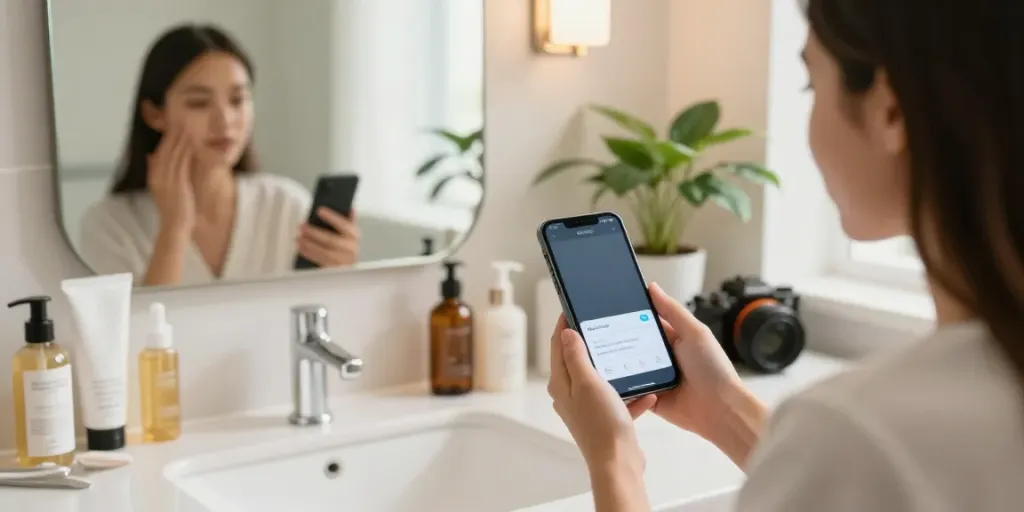
Understanding Facial Analysis Services
Facial analysis services have gained immense popularity in recent years, providing users with insights into their aesthetic attributes, often through a combination of artificial intelligence (AI) and human evaluations. As individuals strive for enhanced appearance—whether for personal satisfaction or social media visibility—these services offer tailored feedback that can influence grooming, skincare, and overall self-image. When exploring options, Alternatives to QOVES provide comprehensive insights into various platforms available in the market.
What is Facial Analysis?
Facial analysis refers to the assessment of facial features using various methodologies, often involving technological tools like AI algorithms and aesthetic standards. These analyses can provide users with a perceived 'beauty score' or specific recommendations aimed at improving their overall aesthetic appeal. Such services have transformed the way individuals perceive their appearance, making beauty assessments more accessible and less reliant on traditional beauty standards.
Key Features of Facial Analysis Platforms
Understanding the features offered by facial analysis platforms can help users make informed decisions. Here are some essential aspects to consider:
- AI Assessment: Many platforms utilize advanced AI algorithms to evaluate facial symmetry, proportion, and other aesthetic metrics.
- Human Review: Some services combine AI assessments with evaluations from trained aesthetics specialists, providing a more nuanced analysis.
- Personalization: Users often receive tailored recommendations based on their unique facial attributes.
- Usability: The platforms should be easy to navigate, whether they are web-based or mobile applications.
Human Review vs. AI Assessment
While AI assessments can rapidly produce beauty scores based on facial recognition technology, human review adds a critical layer of personalization to the process. Trained specialists can interpret AI results through a more nuanced lens, taking into account subjective measures of beauty that algorithms may overlook. This combination can enhance user satisfaction and ensure the recommendations provided are genuinely useful.
Top Alternatives to QOVES
QOVES offers insights into facial aesthetics at a price point of $150 per year, including a personalized beauty protocol reviewed by a team of professionals. However, several alternatives provide comparable or unique features at different pricing tiers. Below, we explore five viable substitutes to consider.
ClinicEvo: A Comprehensive Analysis
ClinicEvo stands out among its competitors by offering a monthly subscription model at just $12, which includes a human-reviewed report delivered within five business days. This model allows users to receive ongoing support and modifications to their personalized plans. ClinicEvo is designed to provide its members with bespoke EvoPlans™ based on both AI facial analysis and expert feedback, offering a more thorough approach to aesthetic improvement.
Umax: Instant Scoring and Feedback
Umax provides a quick and efficient analysis, utilizing AI to rate selfies based on various aesthetic criteria. Unlike QOVES, Umax focuses on delivering instant results rather than a comprehensive plan. This app is particularly appealing to users seeking immediate feedback without the commitment of a subscription model.
PrettyScale: A Free Beauty Score
PrettyScale allows users to receive a straightforward beauty score without any costs associated. This platform is primarily focused on providing an automated analysis based on parameters like symmetry and proportion. While it lacks in-depth recommendations, PrettyScale serves as an accessible entry point for users curious about their aesthetic standing.
FaceRate.ai: AI-Powered Analysis
FaceRate.ai harnesses advanced AI to deliver an attractiveness score along with suggestions related to grooming, skincare, and hairstyles. It stands out by offering free trials, allowing users to explore its capabilities before committing to a paid service. However, full analysis reports may not include the detailed feedback that some users seek.
Cost Comparison in 2026
Annual Membership Pricing Breakdown
When weighing alternatives to QOVES, understanding the cost structure is vital. While QOVES charges $150 annually, ClinicEvo's monthly fee totals approximately $144 if maintained throughout the year. Instant scoring apps like Umax are often lower in annual costs but provide less comprehensive feedback.
Hidden Costs to Consider
Many services present attractive initial pricing but can involve hidden costs that affect overall affordability. For instance, subscription services may charge for additional features, while pay-per-use options can accumulate higher expenses if frequently accessed. Evaluating the total cost of ownership for each platform is essential to avoid unexpected expenses.
Value for Money: What You Get
When choosing a facial analysis service, it’s important to assess what is included in the pricing. QOVES and ClinicEvo offer human-reviewed reports that provide detailed insights and actionable recommendations, whereas apps like PrettyScale and Umax deliver more superficial assessments with limited personal interaction.
How to Choose the Right Service
Four Critical Questions to Ask
Before selecting a facial analysis service, it’s important to ask the following questions:
- Does the service include a human review of results?
- Will you receive a comprehensive plan or just a score?
- What is the full annual cost compared to the advertised price?
- Is there ongoing support for tracking progress after the initial analysis?
Assessing Long-term Tracking and Support
Many users are interested not only in initial assessments but also in long-term tracking and evolving recommendations. Services that provide follow-up evaluations or ongoing assessments can help users gauge their progress and make necessary adjustments over time.
User Reviews and Success Stories
Researching user reviews and success stories can provide valuable insights into the effectiveness of these services. Positive testimonials can indicate a track record of satisfied users, while negative feedback can highlight potential shortcomings to consider.
Future Trends in Facial Analysis
Emerging Technologies in Beauty Apps
The facial analysis industry is continually evolving, with emerging technologies such as machine learning and augmented reality influencing the development of new features. These advances may offer even more personalized insights and interactive experiences for users seeking aesthetic improvements.
The Role of AI in Facial Assessments
AI will increasingly play a central role in facial assessments, providing quicker analysis and more precise evaluations based on vast datasets. However, the effectiveness of AI tools largely depends on the quality of input data and the algorithms utilized.
Predictions for 2026 and Beyond
As we look to the future, we can expect a continued emphasis on user-friendly interfaces, more in-depth analyses, and the integration of community support features in facial analysis services. The demand for personalized beauty guidance will likely shape the direction of these platforms moving forward.
Is There a Free Version of QOVES?
QOVES does not currently offer a free version; however, several alternatives provide free assessments or trial periods, allowing users to gauge their effectiveness before committing financially.
What is the most accurate face rater?
The accuracy of facers varies by service and algorithms used. Services that combine AI with human review tend to offer more reliable assessments, while purely AI-driven platforms may have limitations based on the complexity of facial beauty.
How much does a QOVES analysis cost?
A QOVES analysis costs $150 per year, which includes a personalized protocol. This pricing structure may be more affordable compared to other options that require monthly subscriptions that can add up over time.
What are people saying about QOVES.com in their reviews?
Reviews of QOVES often mention the thoroughness of the analysis and the detailed actionable recommendations. However, some users express concerns about the overall value compared to other, more affordable services.