Understanding the Importance of Local Food Cooperatives
The concept of local food cooperatives represents a vital movement within communities seeking to bolster food security, enhance access to fresh produce, and foster sustainable agricultural practices. These cooperatives are rooted in the belief that food systems should prioritize local resources and community needs. By directly linking farmers with consumers, local food cooperatives not only ensure that people have access to nutritious food but also support the local economy. As we delve into the significance of these initiatives, it becomes evident how platforms like springshall.org play a crucial role in promoting community food access and education.
What is a Local Food Cooperative?
At its core, a local food cooperative is an organization owned by its members that aims to provide affordable access to fresh foods produced within the community. These cooperatives often focus on organic and sustainable farming practices, emphasizing the importance of environmental stewardship. Members typically buy shares in the cooperative, which helps fund local farmers while guaranteeing them a steady market for their products. This model not only enhances food security but also strengthens community ties by encouraging collaboration among farmers, consumers, and advocates for sustainable practices.
Benefits of Supporting Local Food Initiatives
- Enhanced Food Security: Local food cooperatives improve access to fresh produce and reduce dependence on commercial supply chains.
- Support for Local Economies: Purchasing from local farmers keeps money within the community, boosting local employment and economic growth.
- Sustainable Practices: Many cooperatives prioritize organic farming and environmentally friendly practices, contributing to the health of the planet.
- Community Connections: Engaging with local producers fosters relationships among community members and cultivates a sense of belonging.
How springshall.org Promotes Community Food Access
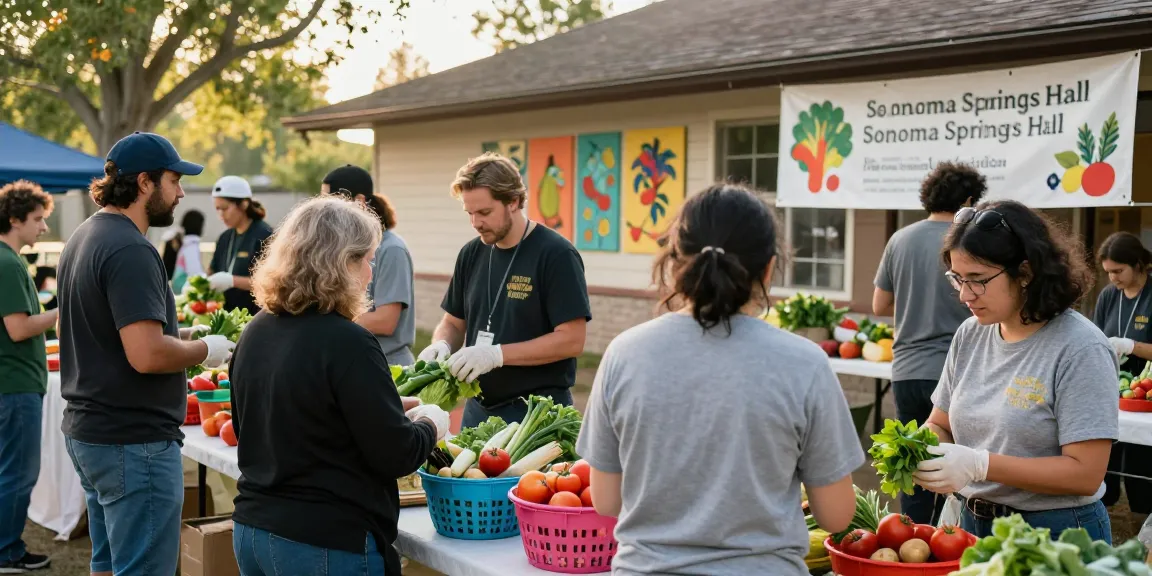
Sonoma Springs Community Hall has become a pivotal hub for local food initiatives. Through partnerships with programs like Farmer’s Friend and Food For All, the Hall facilitates regular food distributions that connect local farmers to community members in need. This collaborative effort has not only provided thousands of pounds of organic produce to those facing food insecurity but has also raised awareness about the importance of supporting local agriculture. The Hall serves as an excellent example of how community-centered organizations can amplify access to healthy food while empowering local farmers.
The Evolution of Food Access in Sonoma Springs
A Historical Overview of Food Distribution Efforts
The journey towards enhanced food access in Sonoma Springs has evolved significantly over the years. Initially, food distribution efforts were sporadic and reliant on emergency responses to crises such as economic downturns or natural disasters. However, with the growing recognition of food insecurity in the area, initiatives began to take a more strategic approach. The establishment of programs like Sonoma Overnight Support (SOS) marked a turning point in how the community addressed food access, providing consistent meal services and emergency food supplies.
Key Challenges Faced by Local Farmers and Consumers
Local farmers in Sonoma Springs confront numerous challenges, including competition from larger agricultural corporations, market fluctuations, and increased operational costs. Consumers often face barriers such as limited access to transportation, financial constraints, and a lack of awareness about the benefits of local produce. These challenges can create significant hurdles in the quest for food equity, highlighting the need for robust support systems like cooperatives and collaborative community efforts.
Case Studies of Successful Cooperative Models
Examining successful cooperatives across the country sheds light on effective strategies that can be adopted in Sonoma Springs. For instance, the Madison Area Food Pantry Garden in Wisconsin showcases how community-led initiatives can produce vast amounts of fresh produce while providing educational opportunities for local residents. Similarly, the Park Slope Food Coop in Brooklyn, New York, demonstrates how member engagement and a strong volunteer base can create a thriving food cooperative that prioritizes affordability and sustainability.
Engaging the Community Through Events
Upcoming Events at Sonoma Springs Hall
Sonoma Springs Hall regularly hosts events designed to bolster community engagement and encourage participation in local food initiatives. Notable upcoming events include the PopUp Market on September 27, where community members can purchase local produce directly from farmers. These events serve as an excellent platform for community members to connect, learn about local agricultural practices, and support their regional economy.
Volunteer Opportunities and How to Get Involved
Getting involved with the food cooperative movement is easy! Sonoma Springs Hall offers various volunteer opportunities, ranging from assisting with food distributions to participating in community events. Volunteers can also help with gleaning efforts, where excess produce is harvested and distributed to those in need, ensuring that not a single vegetable goes to waste. Interested individuals can reach out via email to explore how they can contribute to this vital cause.
Building Relationships with Local Producers
Strengthening connections with local producers is crucial for the success of food cooperatives. Sonoma Springs Hall actively works to foster relationships between farmers and community members, facilitating discussions and collaborations that highlight the importance of sourcing food locally. This approach encourages consumers to understand the value of supporting local agriculture, creating a mutually beneficial relationship that supports both producers and consumers.
Strategies for Expanding Local Food Access
Innovative Solutions for Food Distribution
Innovative approaches to food distribution are essential for enhancing access in the Sonoma Springs area. This includes exploring mobile markets that bring fresh produce directly to underserved neighborhoods, thereby eliminating transportation barriers. Additionally, utilizing community-supported agriculture (CSA) models can enhance direct access to produce, allowing consumers to receive weekly deliveries of fresh fruits and vegetables from local farms.
Utilizing Technology for Better Community Engagement
In an increasingly digital world, leveraging technology can significantly improve community engagement. Mobile applications and social media platforms can be utilized to disseminate information about food distributions, upcoming events, and local farmers’ profiles. By making this information easily accessible, Sonoma Springs Hall can better connect with community members and encourage participation in food cooperative activities.
Collaboration with Local Organizations and Businesses
Creating strong partnerships with local organizations and businesses can further enhance food access initiatives. Collaborating with schools, health care providers, and local businesses can create a holistic approach to community food security. For instance, local restaurants could partner with cooperatives to create “farm-to-table” night events, raising awareness and funds for local food initiatives.
Future Trends in Local Food Cooperatives
Predictions for 2026 and Beyond
Looking ahead to 2026, several trends are expected to shape the local food cooperative landscape. An increased focus on sustainability and climate resilience will likely drive cooperative models to adopt more eco-friendly practices and educate consumers on the importance of sustainable food systems. Furthermore, as consumers become more health-conscious, demand for organic and locally sourced products is anticipated to rise, reinforcing the role of food cooperatives in meeting these needs.
The Role of Sustainability in Local Food Systems
Sustainability will remain a cornerstone of local food cooperatives in the coming years. Embracing regenerative agricultural practices will not only enhance the health of the soil but also contribute to the overall resilience of the food system. Initiatives aimed at reducing food waste, conserving water, and promoting biodiversity will be crucial strategies for local cooperatives operating in an era marked by climate change.
How springshall.org Can Adapt to Future Needs
As the landscape of local food systems continues to evolve, springshall.org will need to adapt to meet the changing needs of the community. By staying attuned to emerging trends, the Hall can modify its offerings, enhance community engagement, and adjust its strategies to ensure it effectively supports local farmers and consumers alike. Continuous feedback from the community will be essential in shaping future initiatives and ensuring their relevance in an ever-changing environment.
What are the benefits of joining a local food cooperative?
Joining a local food cooperative provides numerous advantages, including access to fresh and locally sourced produce, the opportunity to connect with local farmers, and the empowerment of being part of a community-driven initiative. Members also often receive discounts on products and can participate in decision-making processes regarding the cooperative's direction.
How can I volunteer at Sonoma Springs Hall?
Volunteering at Sonoma Springs Hall is straightforward. Interested individuals can contact the Hall directly through their email to express interest in volunteer opportunities. Roles may include assisting with food distributions, helping organize community events, or participating in gleaning efforts.
What types of produce are typically available during distributions?
Food distributions at Sonoma Springs Hall typically include a variety of seasonal produce sourced from local farms. Common offerings include leafy greens, root vegetables, fruits, and herbs, all of which are grown organically and sustainably, ensuring the community has access to nutritious options.
How to support local farmers through donations?
Supporting local farmers can be accomplished through direct donations to initiatives like the Farmer’s Friend program, which channels funds directly to producers. Community members can also consider supporting local businesses and purchasing shares in cooperatives, providing essential financial support to sustain and grow local agricultural efforts.
What events are planned for promoting local agriculture?
Sonoma Springs Hall plans various events throughout the year aimed at promoting local agriculture, including farmer’s markets, workshops on sustainable practices, and community get-togethers focused on educating residents about the benefits of local produce. Staying updated on these events can foster greater community involvement and awareness.