Understanding AI Data Centers
The emergence of artificial intelligence has necessitated the development of specialized facilities known as AI data centers. These centers are engineered to manage the high computational demands of AI applications, optimizing the delivery of machine learning models and deep learning algorithms. As businesses and researchers increasingly rely on AI technologies, understanding the intricacies of AI data centers becomes essential. When exploring options, AI data center provide comprehensive insights into the infrastructure that fuels these applications and their operational frameworks.
What Is an AI Data Center?
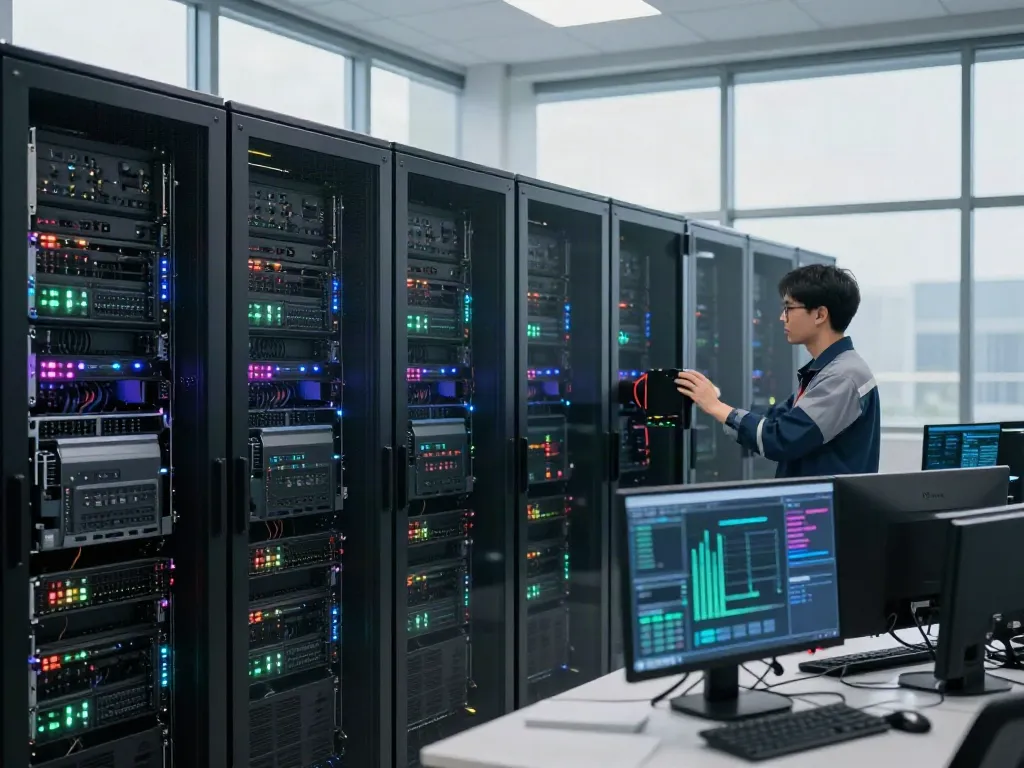
An AI data center is a facility that hosts the specific information technology infrastructure required to train, deploy, and manage AI applications. Unlike traditional data centers, which primarily focus on data storage and processing, AI data centers are designed with high-density computing capabilities, specifically equipped to handle the unique demands of data-intensive workloads associated with AI, such as large-scale machine learning and deep learning tasks.
Key Components of AI Data Center Infrastructure
AI data centers are equipped with several critical components that set them apart from conventional data storage facilities:
- High-Performance Computing Hardware: AI data centers utilize powerful GPUs and TPUs, specifically optimized for processing large datasets and executing complex AI algorithms.
- Advanced Networking Solutions: The interconnectedness of data across various systems requires high-speed, low-latency networks to ensure quick data retrieval and processing.
- Scalable Storage Systems: Storing vast amounts of data necessitates efficient storage solutions that can dynamically scale as computational needs evolve.
- Energy Efficiency Mechanisms: Given the significant power requirements of AI processes, these data centers are designed to minimize energy consumption while maximizing computational output.
How AI Data Centers Differ from Traditional Data Centers
While both types of data centers are essential for modern computing, AI data centers differ significantly in their purpose and design:
- Focus on AI Workloads: Traditional data centers often handle various business applications, while AI data centers are specifically tailored for machine learning and deep learning tasks.
- Infrastructure Requirements: AI workloads require specialized hardware (like GPUs) and efficient cooling solutions to manage the heat generated by high-performance processing.
- Power Consumption: AI data centers have higher energy demands due to their intensive computing needs, highlighting the need for sustainable energy practices.
Importance of Power in AI Data Centers
Power is a cornerstone of effective operation in AI data centers. The continually evolving landscape of AI applications amplifies the necessity for reliable and efficient electricity usage. With the growing demand for AI services, understanding how power plays a key role in operations can help stakeholders make informed decisions.
Role of Electricity in AI Operations
Electricity powers the intricate processes involved in AI operations. Each request processed by an AI model translates into a significant amount of computational work. The energy consumption for training AI models and serving inference requests is critically linked to the underlying power infrastructure. As AI systems scale, so does their power requirement, making it imperative to have an efficient power supply tailored for AI workloads.
Optimizing Power Consumption for AI Workloads
Optimizing power efficiency is crucial for maintaining operational effectiveness within AI data centers. Strategies for achieving this include:
- Dynamic Power Management: Using technologies that adjust power usage based on real-time workload requirements helps in significantly reducing wasted energy.
- Utilizing Renewable Energy Sources: Transitioning to renewable energy can mitigate environmental impact and reduce the operational costs associated with traditional energy sources.
- Implementing Efficient Cooling Systems: Advanced cooling solutions can enhance energy efficiency, ensuring that hardware operates within optimal temperature ranges without excessive power draw.
Strategies for Sustainable AI Data Center Power Use
The shift towards sustainable practices is crucial in shaping the future of AI data centers. Here are key strategies to foster sustainability:
- Energy-efficient Hardware: Utilizing next-generation hardware designed for lower power consumption while maintaining high performance can significantly decrease the energy footprint.
- Power Monitoring Systems: Implementing systems that monitor and analyze power usage can lead to better decision-making and resource allocation.
- Collaboration with Energy Providers: Partnering with energy companies to ensure access to sustainable energy options can help establish a greener operational model.
AI Infrastructure Power Plans
Participating in AI data center operations requires understanding the various power plans available. These plans enable users to support the power needs of AI workloads while earning potential rewards based on their contributions.
Types of AI Infrastructure Power Plans Available
The 51 AIpower platform offers multiple AI infrastructure power plans to accommodate the diverse needs of participants:
- Core Power Access (S1): Designed for individuals seeking a basic level of support with manageable power contributions.
- Enhanced Power Access (S2): For users requiring additional computational support, providing greater capacity and performance.
- Advanced Power Access (S3): Tailored for those who demand high efficiency and scalability to support significant workloads.
- Professional Power Scale (M1): For enterprises that need robust solutions for projects requiring extensive computing capabilities.
- High Power Efficiency (M2): Focused on organizations seeking maximized output with minimized energy usage.
- High Power Capacity (M3): Catering to large AI projects with significant operational demands.
- Large-Scale Power System (X1): Designed for widespread operations needing extensive infrastructure.
- High-Capacity Power System (X2): Supporting large organizations with powerful processing requirements.
- Enterprise Power System (X3): A comprehensive plan for enterprises looking to fully harness the power of AI technologies.
How to Select the Right Power Plan for Your Needs
Choosing the appropriate power plan requires careful consideration of specific operational needs, existing infrastructure, and future scalability. Factors to consider include:
- Budget: Assessing the financial commitment involved in different plans is critical for decision-making.
- Computational Requirements: Understanding the nature of AI workloads expected to be processed will inform the choice of power plan.
- Scalability: Ensuring the selected plan can adapt to growing demands as AI applications expand is essential for long-term operational success.
Impact of Power Plans on Operational Efficiency
The chosen power plan has a profound impact on operational efficiency within AI data centers. A well-suited plan can lead to:
- Improved Performance: Ensuring the data center has sufficient power can enhance processing capability and reduce latency in data retrieval.
- Cost Savings: Efficient power plans minimize operational costs associated with energy consumption, hardware maintenance, and cooling.
- Increased Flexibility: Participants can scale their power needs according to project requirements, enhancing adaptability to fluctuating demands.
Challenges Facing the AI Data Center Industry
As AI continues to evolve, the data center industry faces a myriad of challenges that require strategic solutions to address operational and financial concerns.
Addressing Common Misconceptions About AI Data Centers
Common misconceptions can lead to misunderstandings about the capabilities and requirements of AI data centers:
- "All Data Centers Are Alike": It's important to recognize that AI data centers are uniquely designed for AI workloads, which differ significantly from traditional data processing.
- "AI Data Centers Are Costly and Unsustainable": While initial investments may be high, sustainable practices can lead to substantial long-term savings and environmental benefits.
- "AI Data Centers Are Only for Large Corporations": Many platforms, like 51 AIpower, offer accessible participation options for individuals and small businesses.
Operational Risks and How to Mitigate Them
Potential operational risks within AI data centers include hardware failures, power outages, and cybersecurity threats. To mitigate these risks:
- Implement Redundant Systems: Establishing backup systems can ensure continued operation during unforeseen failures.
- Regular Maintenance: Scheduling routine maintenance and updates to hardware reduces the likelihood of unexpected breakdowns.
- Robust Security Protocols: Implementing strong security measures protects sensitive data from cyber threats.
Future-Proofing Your AI Data Center Operations
To remain competitive, AI data centers must future-proof their operations through technology upgrades, skilled workforce development, and adherence to evolving regulations. Embracing advancements in AI and cloud technologies will be key in maintaining relevance and efficiency in the rapidly changing landscape.
Future Trends in AI Data Centers
The AI data center industry is on the cusp of transformative changes, driven by technological advancements and shifts in market demand. Staying ahead of these trends is crucial for stakeholders aiming to optimize their operations.
Emerging Technologies in AI Infrastructure
Several emerging technologies are shaping the future of AI data centers, including:
- Edge Computing: As data processing moves closer to data sources, edge computing reduces latency and enhances real-time decision-making capabilities.
- Quantum Computing: The potential power of quantum computing promises to revolutionize AI workloads, enabling unprecedented processing speeds.
- AI-Driven Automation: Implementing AI solutions within the data center can lead to improved operational efficiencies and reduced human error.
Predictions for AI Data Center Growth in 2026
Industry experts predict significant growth in the AI data center sector by 2026, driven by a surge in demand for AI applications across various industries. Key trends anticipated include:
- Increased Investment: Organizations are likely to invest more in AI infrastructure to stay competitive and meet growing computational demands.
- Expansion of Renewable Energy Integration: The push for sustainability will see a rise in the use of renewable energy sources within data center operations.
- Enhanced Collaboration: Partnerships between technology providers, researchers, and businesses will drive innovation and efficiency.
Preparing for the Next Generation of AI Workloads
To effectively manage the next generation of AI workloads, data centers must invest in continued research and development, focusing on refining processes and infrastructure design. This proactive approach ensures that AI data centers remain capable of handling the evolving complexities of future AI applications.
What is an AI data center?
An AI data center is a specialized facility designed for high-density computing needs associated with AI applications, providing the necessary infrastructure for processing large datasets and executing advanced algorithms.
How does power consumption affect AI data center operations?
Power consumption plays a critical role in determining the operational efficiency and overall performance of AI data centers, with effective energy management being essential to support intensive computational workloads.
Who are the leaders in AI data center technology?
Industry leaders include organizations that develop innovative AI solutions and cloud computing platforms, such as Google, Amazon Web Services, and specialized firms like NVIDIA and IBM, which are at the forefront of AI data infrastructure.
What are the environmental impacts of AI data centers?
AI data centers have significant environmental impacts, primarily due to high energy consumption, which necessitates careful management of energy sources and adoption of sustainable practices.
How can businesses optimize their AI data center strategies?
Businesses can optimize their AI data center strategies by implementing energy-efficient technologies, adopting power management systems, and ensuring scalable infrastructure that can adapt to changing demands.